
Water-Saving Habits That Don't Actually Feel Like Sacrifice
Cutting your water bill doesn't require shorter showers you'll resent or a brown lawn you'll hate looking at every day. Most of the meaningful savings come from fixing waste you're not even aware of, not from giving up comfort you actually enjoy.
Fixing leaks is the single highest-leverage move available, and it costs almost nothing compared to what it saves. A single leaking toilet can waste up to 200 gallons a day, and toilets already account for roughly 30% of typical indoor water use even when working properly, making a hidden toilet leak one of the most expensive problems a home can have without anyone noticing. A dripping faucet can waste around 20 gallons a day on its own. According to EPA data, easily fixable household leaks collectively waste nearly a trillion gallons annually across U.S. homes, with the average household leaking around 10,000 gallons a year, enough water to run roughly 300 loads of laundry, and potentially adding 10% to your water bill for a problem you could fix with a $10 part and twenty minutes.
The EPA's own "10-minute challenge" is worth doing seasonally: check every faucet for drips, look at toilet flapper valves for wear (the food coloring test, drops in the tank, check the bowl 15 minutes later, works well here), and inspect visible pipes under sinks for any dampness or corrosion. Most common leaks are quick to spot and cheap to fix once you actually know where to look.
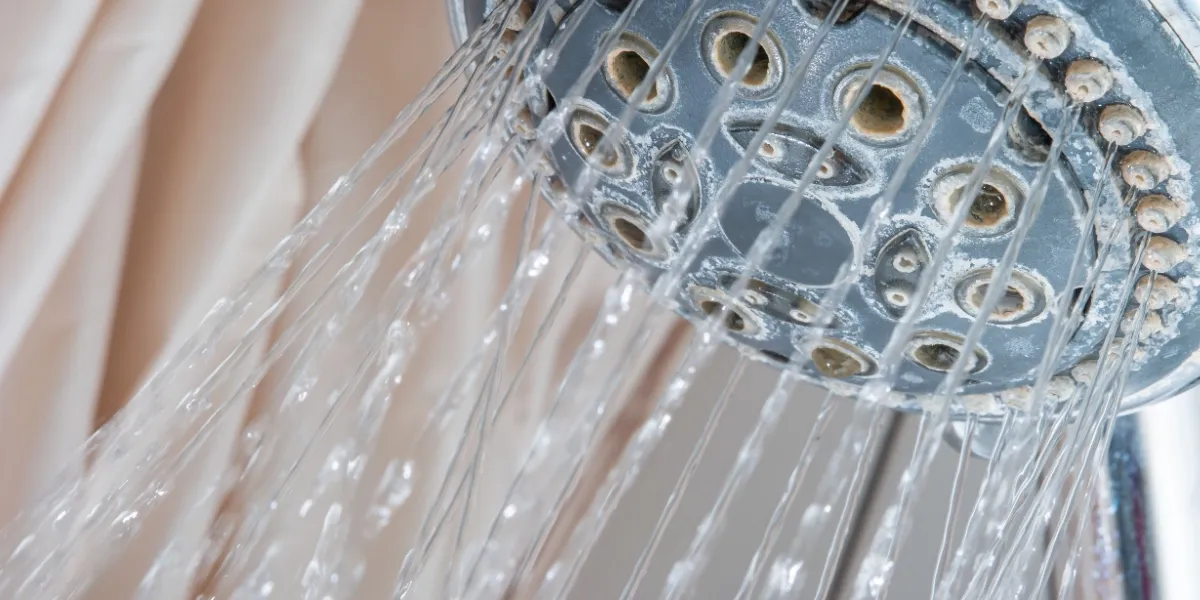
Fixture upgrades deliver real savings without the daily habit change some conservation advice demands. Low-flow showerheads and faucet aerators can cut water use by up to 50% at those fixtures without a noticeable difference in water pressure or comfort, since modern low-flow designs use aeration and pressure tricks to feel similar to older, higher-flow fixtures despite using meaningfully less water. This is a one-time hardware swap, not an ongoing behavior change you have to remember every single day.
Appliance habits matter more than most people think, and they cost nothing to adjust:
- Running the dishwasher and washing machine only with full loads, rather than smaller partial loads more frequently, since both appliances use roughly the same amount of water regardless of how full they are
- Choosing a shorter wash cycle for lightly soiled laundry rather than defaulting to the longest cycle every time
- Turning off the tap while actually brushing teeth or scrubbing dishes, rather than letting it run continuously through the entire task
Outdoor watering is where the biggest seasonal swings happen, and it's also where the most painless savings tend to hide. Watering early in the morning or in the evening, rather than during peak afternoon heat, dramatically reduces water lost to evaporation before it ever reaches plant roots. Drought-resistant landscaping and mulch around garden beds reduce how often you need to water at all, and a properly calibrated irrigation system, checked for broken heads or misaligned spray patterns, can waste a meaningful amount of water on driveways and sidewalks rather than the plants it's meant to reach.
None of this requires giving up long showers you love or a lush yard you're proud of. It requires fixing what's actually broken, upgrading a handful of fixtures once, and adjusting a few appliance habits that don't change your actual daily experience at all. The savings add up specifically because they target genuine waste rather than asking you to use less water for the things you actually care about.
Checking your irrigation system specifically after any landscaping work, a new fence installed, a garden bed redesigned, is worth doing every time, since sprinkler heads get bumped, buried, or misaligned during other projects more often than homeowners realize, and a head watering a fence or a sidewalk instead of your actual lawn is pure waste that a quick visual check catches immediately. A five-minute walk through the yard after any outdoor project catches this kind of waste before it shows up as a full season of higher bills.
If you want to know exactly how much any single change actually saved, check your bill's usage number, not just the dollar total, one or two billing cycles after making a change. Comparing gallons used against the same month a year earlier, rather than the previous month alone, controls for seasonal differences and gives you a genuinely fair before-and-after comparison for whatever specific fix or habit change you just put into place around the house this month or last.