Foundation Repair Methods Explained in Plain English
"Foundation repair" covers a genuinely wide range of actual techniques, and a quote that just says "foundation repair" without specifying the method tells you almost nothing useful. Knowing what these methods actually involve makes it possible to understand what you're paying for and whether it matches the problem you actually have.
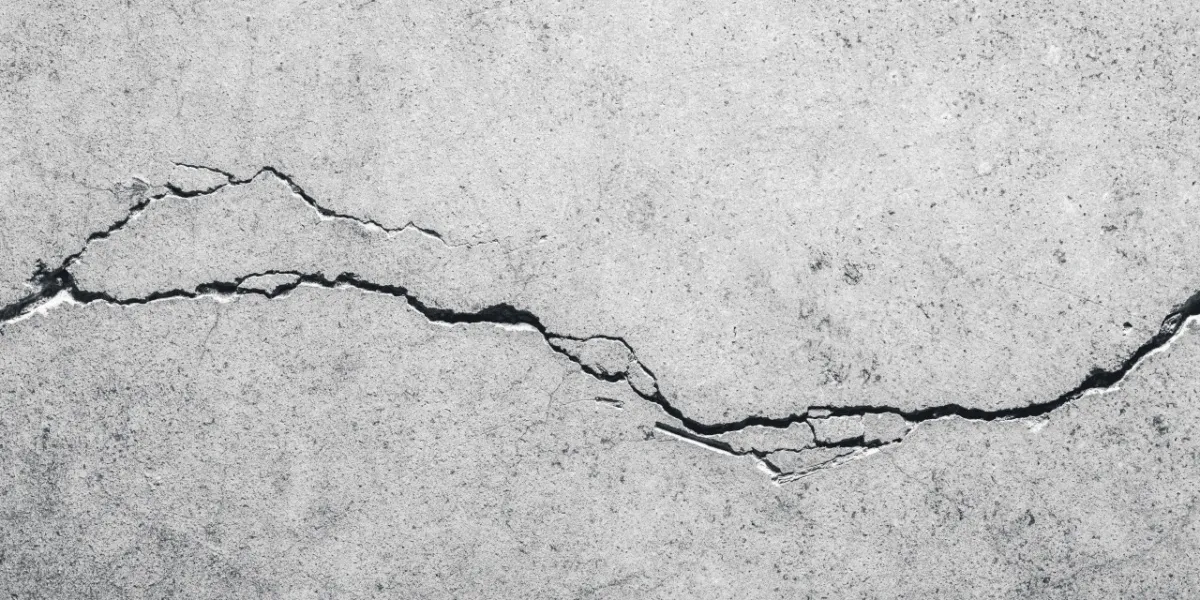
Epoxy or polyurethane crack injection is the simplest and least expensive method, used for non-structural cracks, hairline or vertical cracks caused by normal settling rather than active structural movement. A contractor injects the material directly into the crack, sealing it against water intrusion and, in the case of epoxy specifically, bonding the crack closed structurally on smaller, stable cracks. This runs $250 to $2,000 depending on crack size and is typically a same-day job.
Carbon fiber reinforcement strips address a step up in severity, commonly used on cracks or walls showing early signs of bowing that haven't progressed to needing full structural correction. Thin, extremely strong carbon fiber strips are epoxied directly onto the interior wall surface, spanning the affected area to prevent further inward movement. This is less invasive than piering and considerably less expensive, though it's specifically a stabilization method, it holds the wall in its current position rather than correcting existing displacement that's already occurred.
Steel wall anchors are the more aggressive option for walls that are actively bowing or have already moved meaningfully. This method involves installing anchor plates on the interior wall connected via steel rods to anchor plates buried in stable soil outside the foundation, and over time, some systems allow the rods to be tightened incrementally to gradually pull a bowing wall back toward its original position. This runs considerably more than crack injection or carbon fiber, reflecting the more invasive installation and the structural engineering involved in properly siting the exterior anchors.
Foundation piering, sometimes called underpinning, is the method for genuine settlement, where a section of the foundation has actually sunk due to unstable soil beneath it. Steel push piers or helical piers are driven or screwed deep into stable soil below the problem area, then connected to the foundation and used to stabilize, and sometimes gradually lift, the settled section back toward level. Push piers are hydraulically driven and rely on the weight of the structure itself for leverage. Helical piers screw into the soil like a large screw and don't require the same structural weight to install, making them useful in situations where push piers aren't a good fit. Most homes needing this level of work require multiple piers, and total project costs scale with that pier count.
A few terms worth understanding since they come up frequently in quotes and reports:
- Underpinning is a general term for any method that adds new support beneath an existing foundation, piering is the most common modern form of underpinning
- Slabjacking or mudjacking, injecting material beneath a sunken concrete slab to raise it back to level, typically used for driveways, sidewalks, or garage floors rather than the home's main foundation
- French drains and regrading, addressing the water and drainage issue that often causes foundation problems in the first place, sometimes done alongside structural repair, sometimes as prevention on its own
A practical way to make sense of any specific quote: ask which of these methods is actually being proposed, and ask directly why that method fits your specific type of damage rather than another, a contractor who can clearly explain that reasoning is generally more trustworthy than one who simply quotes a number without explaining the underlying diagnosis.
Getting an independent structural engineer's assessment before committing to any of these methods is worth the modest additional cost, particularly since some foundation repair companies have an obvious incentive to recommend their most expensive available service regardless of whether a simpler method would genuinely address your specific situation. An engineer with no financial stake in which repair method gets chosen gives you a second opinion that's actually independent of the sales process entirely. That independent opinion is worth the modest fee it costs, especially before committing to a five-figure repair. A second opinion from someone with nothing to sell you is one of the more reliable checks available in this entire category of home repair. Treat that check as a required step, not an optional extra, for any repair method beyond a simple crack injection job. It's a small step that protects what's usually a genuinely large financial investment in your home's long-term structural health.