
New Home Improvement Deals in Your Area: Here's How to Actually Find Them
"New deals available in your area" is the kind of phrase that shows up in a lot of home improvement marketing, and it's fair to wonder what that actually means in practice. So let's break down where real, verifiable savings on remodeling and repair work actually come from, rather than vague promises.
Manufacturer and utility rebates
This is the most underused savings channel by far. Many utility companies offer rebates for energy-efficient upgrades like insulation, HVAC systems, and windows, often in the $50 to a few hundred dollar range per project, and most homeowners never check because the rebate isn't advertised at the point of sale. Before any remodeling project, it's worth a five-minute search of your specific utility provider's rebate page or a call to their customer service line.
Off-season timing
Contractors are busiest, and priciest, in spring and summer. Booking interior remodeling work (bathrooms, kitchens, flooring) in the fall or winter, when contractor schedules open up, routinely gets homeowners better pricing simply because there's more competition for the job.
Multiple, itemized quotes
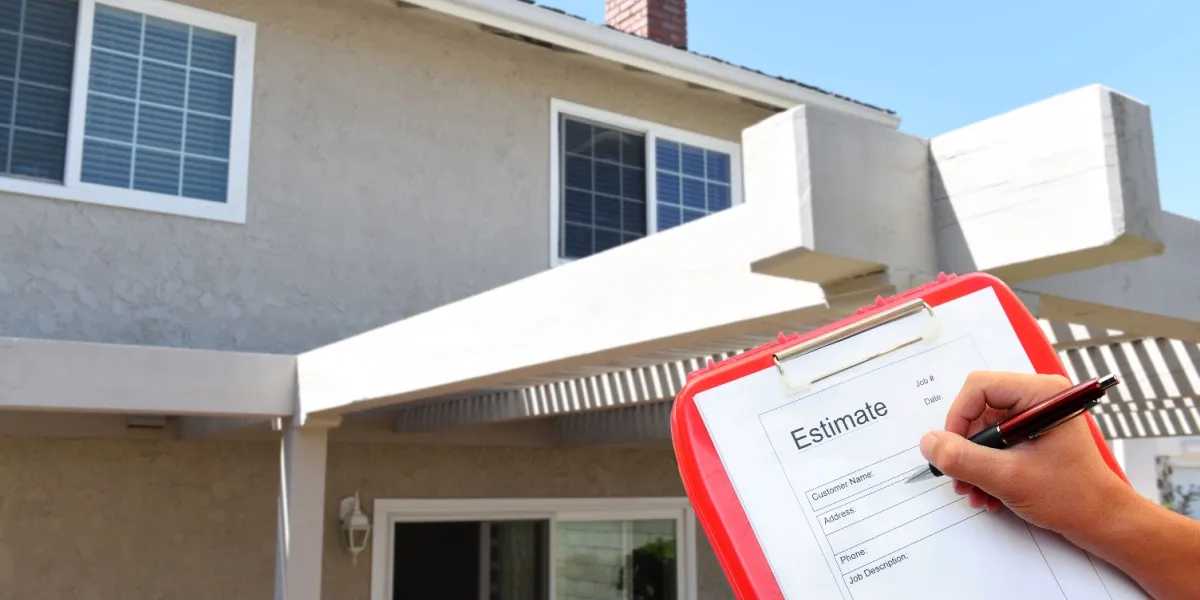
This one is repetitive advice for a reason: it works. Homeowners who compare at least three quotes and request itemized breakdowns (materials, labor, permits, disposal listed separately) consistently end up with better pricing than those who accept the first number they're given. A quote that's just one lump number is much harder to negotiate down, because you don't know what you'd even be cutting.
Why this actually matters right now
Homeowners are spending more on remodeling and repairs than they used to, not less, as more people choose to renovate rather than move given how mortgage rates have shifted the buy-versus-stay math over the last few years. That means contractors in a lot of markets have more work available to them than they can immediately staff, which is exactly the environment where getting multiple quotes and asking about scheduling flexibility pays off most. A contractor with a full calendar has less incentive to negotiate on price, but often has more room to negotiate on start date, and a slightly later start date in exchange for a better price is a trade worth considering if your project isn't urgent.
Financing terms, not just price
A lower quote isn't always the better deal if the financing behind it is worse. If a contractor offers in-house financing, ask for the actual APR in writing, not just the monthly payment. A $500 difference in project price can be dwarfed by a difference in interest rate over a multi-year loan.
Local permit and inspection fees
These are easy to overlook because they're not part of the contractor's quote, they're a separate cost from your municipality. Permit fees for something like a roof replacement typically run $100 to $500, according to industry cost guides, but they vary significantly by city. Always ask your contractor whether the quote includes permit costs or whether that's on you separately, before you're surprised by it on the final invoice.
How you finance the project changes what it actually costs you
This is the part most homeowners skip entirely, and it's often worth more than any discount you'll negotiate on the project itself. A $50,000 renovation financed at 9% instead of 6.5% costs roughly $12,000 to $18,000 more over the life of the loan, according to 2026 renovation financing data. Here's the general breakdown of what tends to work best at different project sizes:
- Under $10,000: A 0% introductory APR credit card can make the project interest-free, provided you can realistically pay it off within the 12 to 21 month promotional window most major issuers offer. Miss that window and some cards apply deferred interest retroactively to the full original balance.
- $5,000 to $25,000: A personal loan is usually the more predictable choice. No home equity required, funding often in one to three days, and fixed payments. Rates typically run 8% to 15% depending on credit.
- $25,000 and up: A HELOC or home equity loan generally offers the lowest rate (roughly 7.5% to 11% currently), since it's secured by your home, but it comes with closing costs and puts your house up as collateral, so it's best reserved for larger, planned projects rather than smaller repairs.
If your project falls near the boundary between two of these tiers, it's worth pricing both options before deciding, since the closing costs on a home equity product can sometimes outweigh the rate advantage on a smaller project.
The bottom line
Real savings on home improvement rarely come from a single "deal." They come from stacking several smaller advantages: a rebate here, a slower season there, a more detailed quote somewhere else, and financing that matches the actual size of the project.