Not Sure If Your Roof Needs Replacing or Just Repairing?
Roofs don't usually fail all at once. They fail in stages, and most homeowners either catch the early signs and pay a few hundred dollars for a repair, or miss them entirely and end up facing a full replacement that costs, on average, $9,500 nationally (with a realistic range of $5,800 to $46,000 depending on your roof's size and material, per NerdWallet).
Here's how to actually tell which situation you're in.
Start with age. Most asphalt shingle roofs, the type on the majority of U.S. homes, last 10 to 20 years. If yours is under 10 years old and you're seeing an isolated issue, that's almost always a repair. If it's past 20, even a small problem is a signal the whole system is aging out.
Check for these five specific signs
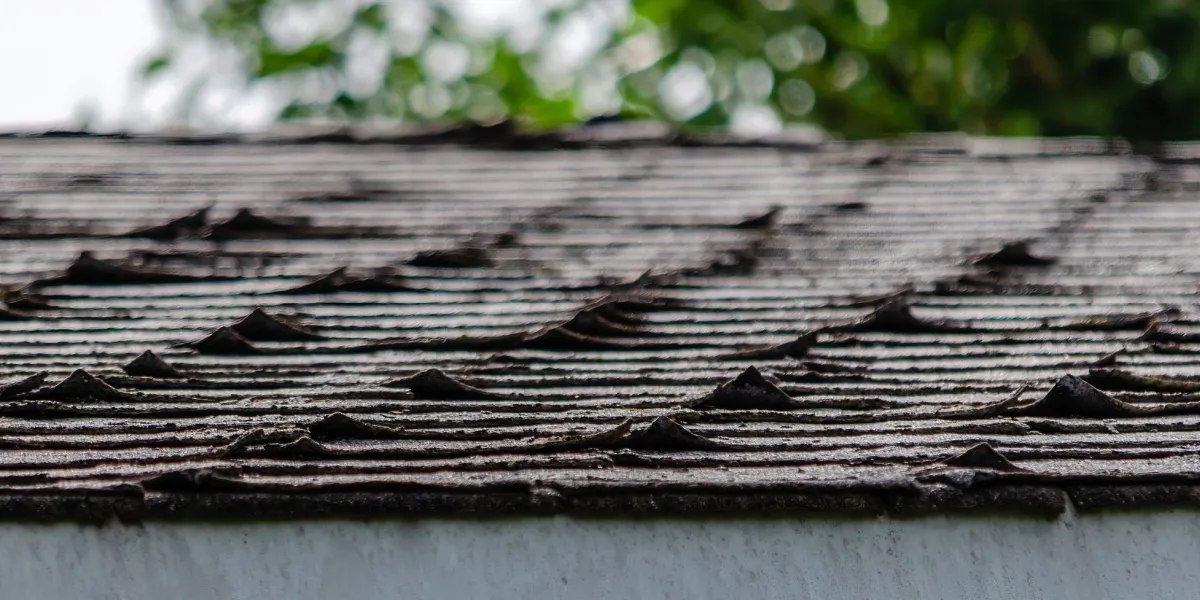
- Shingles that are curling, cracking, or missing. A few missing shingles after a storm is a repair. Widespread curling across the whole roof means the material itself is breaking down.
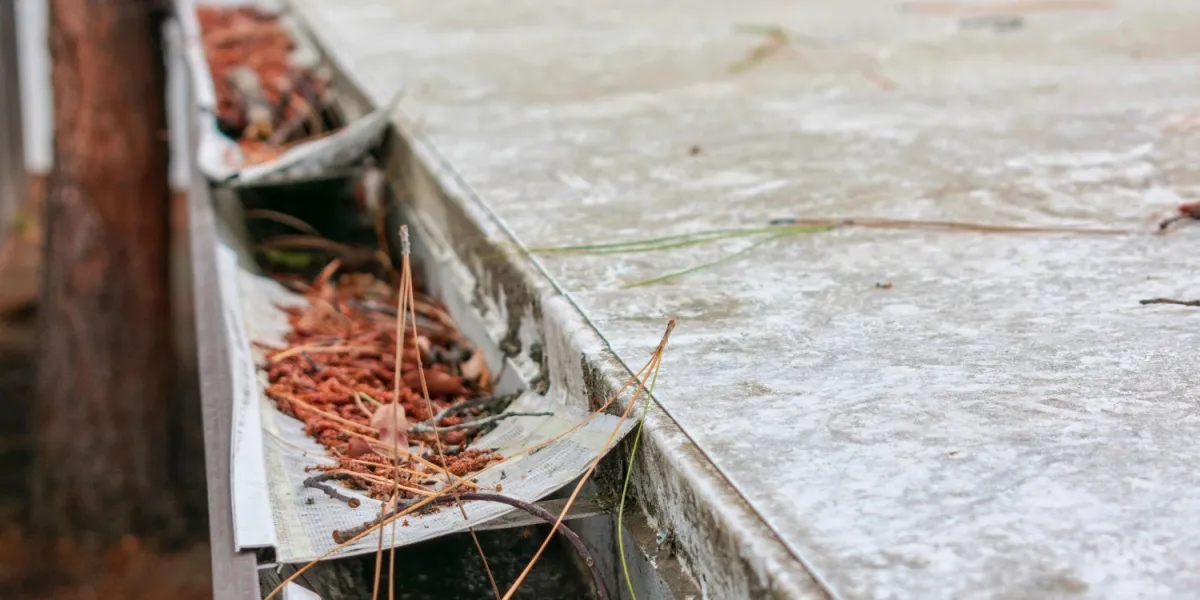
- Granules collecting in your gutters. Those granules are what protects the shingle from UV damage. Losing them in small amounts is normal aging; losing them in handfuls means the shingle is nearly bare underneath.
- Daylight visible through the attic roof boards. This one's a same-day call to a roofer, not a wait-and-see.
- Sagging anywhere along the roofline. This can indicate structural damage underneath, not just a surface issue, and it's the one sign that almost always means replacement, not repair.
- Repeated leaks in the same spot. One leak is a repair. The same spot leaking again after being patched means water has found a path that a patch job isn't fixing.
The math that actually matters
A typical roof repair costs around $1,150 on average, according to Fixr's 2026 data, with most falling between $400 and $1,900. Compare that to a $9,500+ replacement, and you can see why it's worth getting a second opinion before agreeing to a full tear-off, especially if a contractor is pushing hard for replacement after just glancing at your roof from the ground.
One thing worth knowing before you call anyone: the National Roofing Contractors Association notes that replacing an aging roof does tend to increase both home value and energy efficiency, so if your roof genuinely is past its lifespan, it's not just a cost, it's a home value.
Does insurance cover any of this?
It depends entirely on the cause. Sudden, specific damage, like a tree limb through the roof or hail damage from a documented storm, is typically covered under most homeowners policies, often for the cost of your deductible only. Gradual wear and tear from simple aging is not covered by any standard policy; insurers treat that as a maintenance issue, not a covered loss. This distinction matters because it's also exactly what some door-to-door contractors exploit: they'll tell you your normal wear-and-tear roof is "storm damage" so they can push an insurance claim, when in reality that claim is likely to get denied or could even affect your future premiums. If a contractor brings up your insurance before you've mentioned any recent storm, that's a signal to slow down and get an independent opinion first.
Material lifespan, if you're comparing replacement options
Since a roof replacement is a decades-long decision, it's worth knowing what you're actually buying at each price point:
- Asphalt shingles ($1 to $1.20 per square foot): 10 to 20 years
- Metal shingles or shakes ($6 to $16 per square foot): 50 to 75 years
- Clay or concrete tile ($10 to $20 per square foot): 50 to 100 years
- Slate ($10 to $30 per square foot): well over a century
A cheaper roof isn't a bad choice if you don't plan to stay in the home long-term, but if you're aiming to never think about your roof again, the material choice matters more than the contractor you pick.
How to check any of this yourself, safely
You don't need to get on the roof to catch most of these signs. Binoculars from the ground can show curling, missing shingles, or sagging just as well as walking the roofline, without the fall risk. Your gutters and downspouts are safe to check from a stable ladder. The attic is the one spot worth going inside for: bring a flashlight on a dry day and look for daylight coming through the roof boards, dark water stains, or a musty smell, all of which point to a leak that hasn't shown up on your ceiling yet.
If you want a real answer instead of a sales pitch, ask any roofer who comes out to specifically photograph and show you the damage they're basing their recommendation on. A reputable contractor will do this without hesitation.