The Roofing Scam That Shows Up Right After a Storm
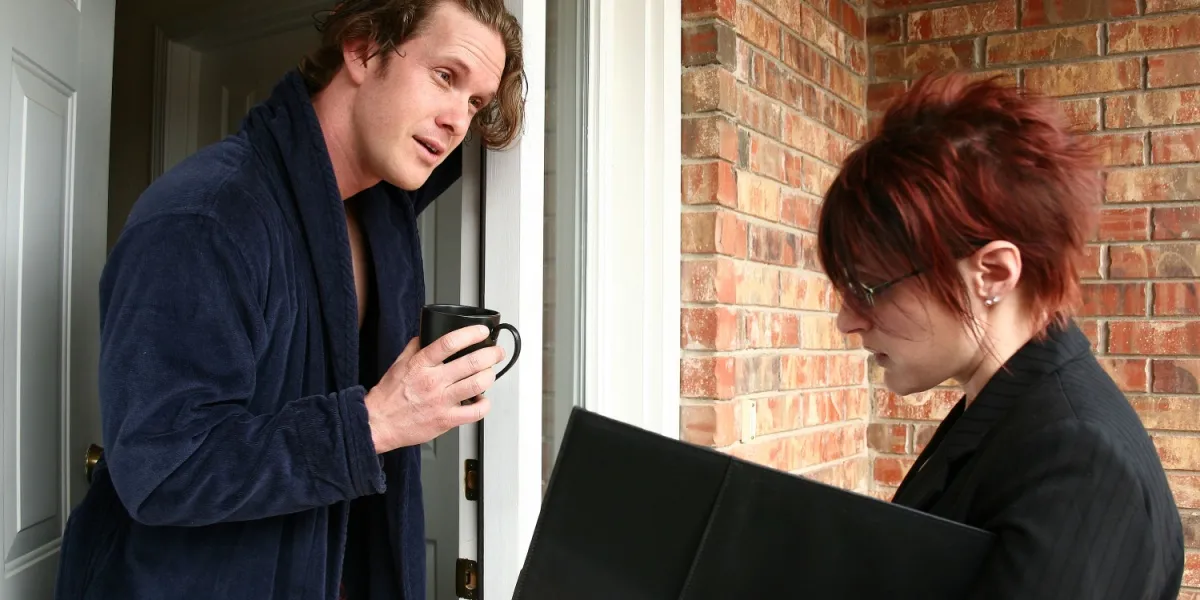
The knock on the door comes within a day or two of the storm passing. "I was in the neighborhood and noticed some damage on your roof." It sounds helpful. It's one of the most common patterns in roofing fraud, and it works because it arrives exactly when homeowners are stressed, distracted, and eager to get things fixed fast.
The Better Business Bureau tracked home improvement scams as the fifth riskiest scam category in 2024, based on prevalence, how easily people fell for them, and actual dollar losses, with victims reporting a median loss of $1,800. That's the median, meaning half of reported cases lost more, in some individual cases considerably more. In 2023 alone, there were more than 25,000 reported severe weather events involving tornadoes, wind, or hail nationwide, and each one creates a fresh window of opportunity for what the industry calls storm chasers, contractors who travel from area to area specifically chasing damage.
Here's the pattern worth recognizing, since it repeats almost identically across different scams and different regions:
- Unannounced door-to-door contact, often within 24 to 48 hours of a storm, claiming to have spotted damage "from the street"
- Out-of-state license plates or a temporary local phone number, since these crews aren't based where they're working
- No verifiable physical address, only a P.O. box, a hotel address, or nothing at all when you ask
- Pressure for an immediate signature, often with "today only" pricing meant to short-circuit any comparison shopping
- A large upfront deposit, sometimes exceeding 50% of the total project cost, well above the 10% to 30% that's standard for legitimate roofing work
One particularly damaging variation involves the insurance claim itself, not just the repair work. Some contractors ask homeowners to sign a document transferring insurance negotiation rights directly to the contractor, effectively letting the roofer negotiate with your insurance company on your behalf. This sounds convenient, but it opens the door to inflated claims that can put the homeowner at legal and financial risk. One real example reported to a BBB affiliate: an insurance company assessed a legitimate $12,000 roof claim, and the contractor pushed to negotiate it up to $25,000 to $30,000 by claiming the entire roof needed replacement rather than the actual damaged section, a move that can trigger insurance fraud scrutiny landing on the homeowner, not just the contractor.
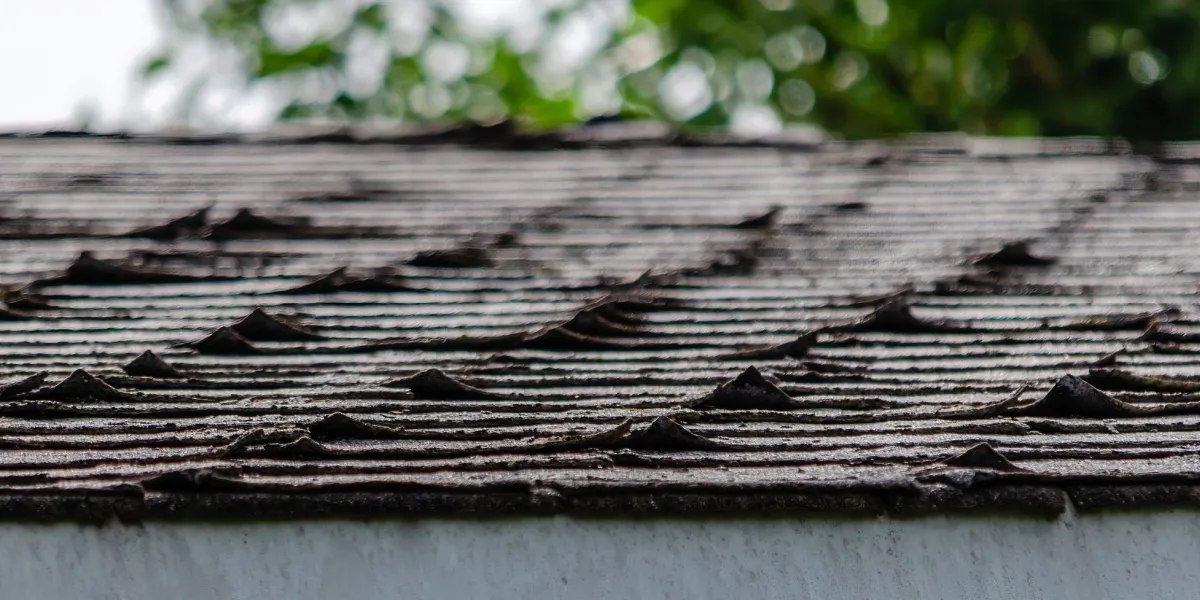
Fabricated damage is another documented tactic. Some contractors have been known to place a few loose shingles on a roof themselves during a "free inspection," then point to that staged damage as justification for a full replacement the roof never actually needed.
The single most reliable protection is patience, which is exactly what these scams are designed to prevent you from having. Legitimate storm damage doesn't disappear if you wait a few days to get a second opinion. A contractor creating urgency around an immediate decision is optimizing for their close rate, not your best interest.
A few concrete steps that meaningfully reduce your risk:
- Stick to locally established roofers with a verifiable address and a history in your specific area, rather than anyone who showed up unprompted
- Verify licensing and insurance directly through your state's contractor licensing lookup, not just by taking the contractor's word for it
- Get a second, independent inspection before signing anything, especially if a contractor is pushing for full replacement rather than a targeted repair
- Never sign a document assigning your insurance claim rights to a contractor without having an attorney or your insurance agent review it first
If you do encounter a suspected scam, filing a BBB complaint creates a public record that can protect the next homeowner, and reporting to your state attorney general's consumer protection division and the Federal Trade Commission gives regulators the pattern data they need to act on repeat offenders working the same territory.
It's worth telling neighbors what you've learned too, not just protecting your own roof. Storm chasers typically work an entire affected neighborhood in the days following severe weather, not just one house, and a homeowner who's already been approached and recognized the pattern is often the fastest way to warn everyone else on the block before the same pitch lands on their door too. A quick conversation over the fence can save a neighbor thousands of dollars, and it costs you nothing but a few minutes of your time and could spare them a very expensive mistake down the road.