The First 24 Hours After Storm Damage Determine Everything After
What you do in the first day after storm damage hits your home has an outsized effect on how smoothly your insurance claim goes, how much you're reimbursed, and how fast repairs actually happen. Panic and delay both work against you here, and the good news is the actual steps are simple enough to follow even while you're stressed and exhausted.
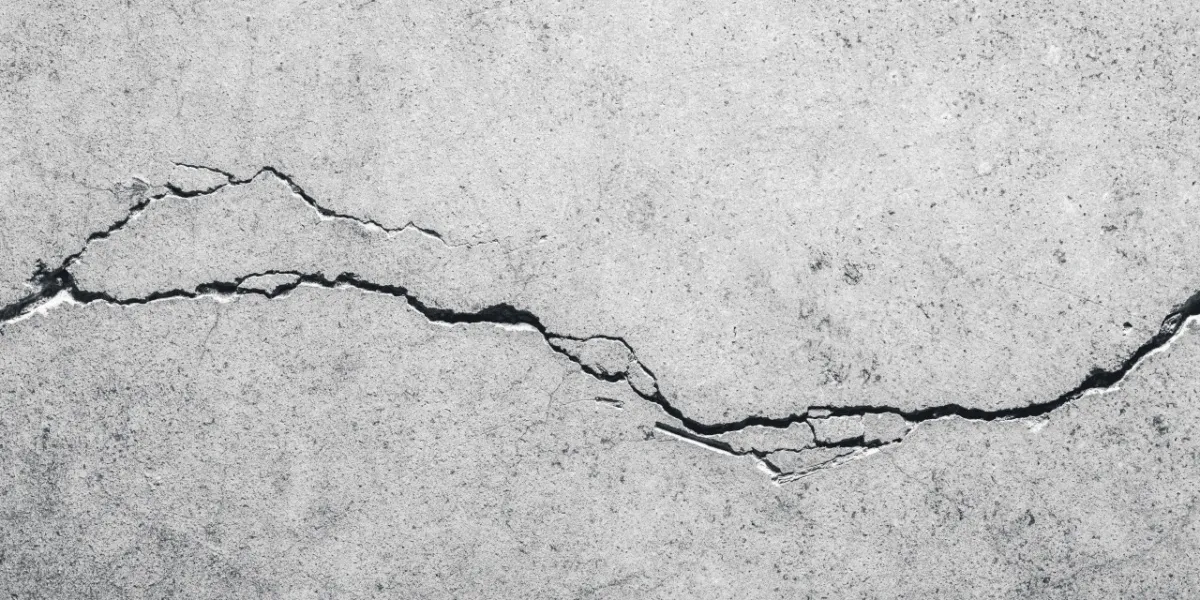
Safety comes before anything else, including documentation. Check for downed power lines, gas odors, or structural instability, sagging ceilings, cracked walls, before entering or moving through any part of the home that looks compromised. If there's any doubt about structural safety, wait for a professional assessment rather than walking through to inspect the damage yourself.
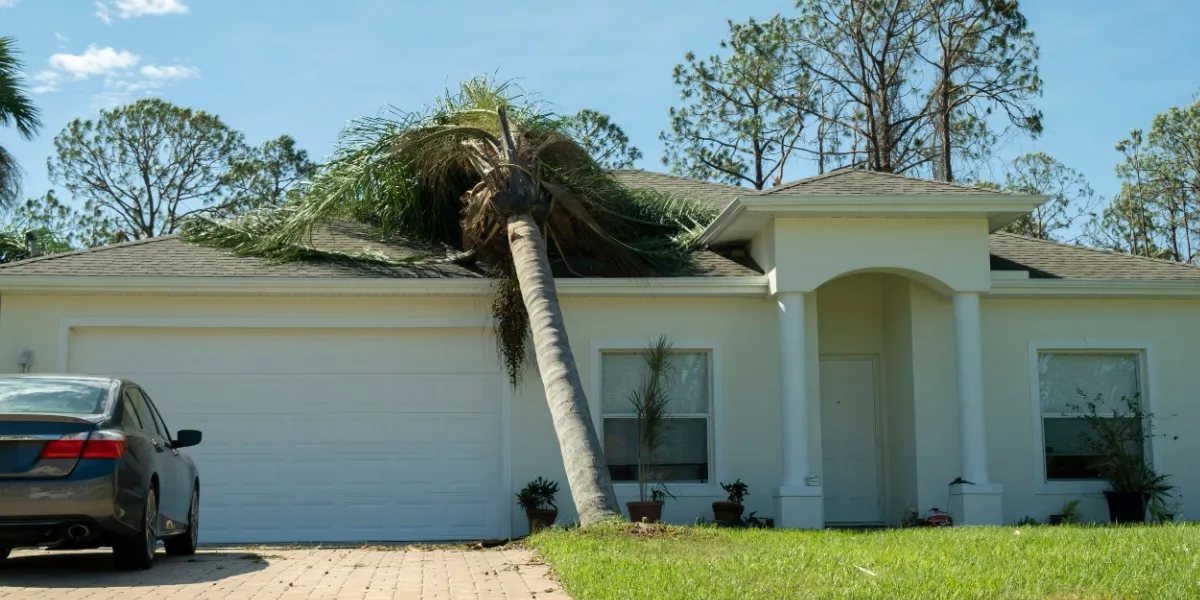
Once it's safe to move through the home, document everything before touching or cleaning up anything. Photos and video, room by room, from multiple angles, capturing both the overall damage and close-up detail shots. This documentation is the foundation of your entire insurance claim, and it's dramatically harder to reconstruct convincingly after debris has been cleared or repairs have started. If you have before photos of your home from when you documented it for insurance purposes earlier, even better, since a clear before-and-after comparison strengthens any claim.
Contact your insurance company as soon as reasonably possible, ideally within the first day. Most policies don't have a strict same-day requirement, but earlier contact means an earlier claim number, an earlier adjuster visit, and a faster start to the entire reimbursement timeline. Ask directly what your policy covers for temporary repairs and whether you need pre-approval before making any, this varies by insurer and matters for the next step.
Make temporary repairs specifically to prevent further damage, not to fully restore anything. Tarping an exposed roof, boarding up a broken window, this kind of stopgap work is typically covered and often expected by insurers as reasonable mitigation. Keep every receipt for materials and any contractor paid for this temporary work, since these costs are usually reimbursable as part of your claim.
If you're displaced from the home entirely, ask your insurer specifically about additional living expenses coverage, which can cover hotel stays and meals while your home is unlivable. This is a standard part of most homeowners policies but isn't always something insurers volunteer without being asked directly.
For anyone hit by a federally declared disaster specifically, FEMA's Individuals and Households Program can help with needs that insurance doesn't fully cover, though it generally applies only when your insurance falls short, not as a replacement for filing an insurance claim first. Applications typically need to be submitted within 60 days of the disaster declaration, and starting at DisasterAssistance.gov is the most direct path rather than waiting for a caseworker to reach out. If anyone in your household already receives SNAP, SSI, or Medicaid, mentioning that on your application can qualify you for expedited processing on certain immediate-needs assistance.
A detail worth knowing before any contractor shows up: legitimate storm damage repair companies rarely need to go door-to-door immediately after a storm, that specific pattern is a well-documented tactic used by scam operators exploiting exactly this vulnerable window. Stick to established local contractors, verify licensing directly, and get at least two estimates before committing to major repair work, even while genuinely needing the work done quickly.
Keep a single folder, physical or digital, with every photo, receipt, and piece of correspondence related to the damage from day one. This single habit, more than any individual step above, is what makes the following weeks of claims processing and repair coordination manageable instead of chaotic.
If you're not sure whether a specific repair counts as an emergency mitigation step your insurer would reimburse, call your agent and ask before paying out of pocket, rather than assuming and hoping it gets reimbursed later. A five-minute phone call up front is far less stressful than disputing a denied reimbursement weeks into the process, once the work is already done and the money's already spent. That single call, made calmly before spending anything, protects you far more than trying to sort it all out after the fact. It costs nothing but a few minutes on the phone, and it's the kind of small step that pays off the most exactly when you're least in the mood to think clearly about paperwork and process. Building that habit now, before you ever need it, is worth far more than it costs to set up.