
How to Stay Cool Without Your AC Running Around the Clock
Running the air conditioner nonstop feels like the only option on the hottest days, and it's also the most expensive way to stay comfortable. A handful of simple habits and small investments can meaningfully reduce how hard your AC has to work, which shows up directly as a lower bill and less wear on the equipment.
Blocking heat before it enters the house matters more than fighting it once it's already inside. Closing blinds or curtains on south- and west-facing windows during peak afternoon sun keeps a meaningful amount of solar heat from ever reaching your living space in the first place, and it's a completely free habit that costs nothing beyond remembering to do it. Blackout curtains or reflective window film add a more permanent version of the same effect for rooms that consistently run hot.
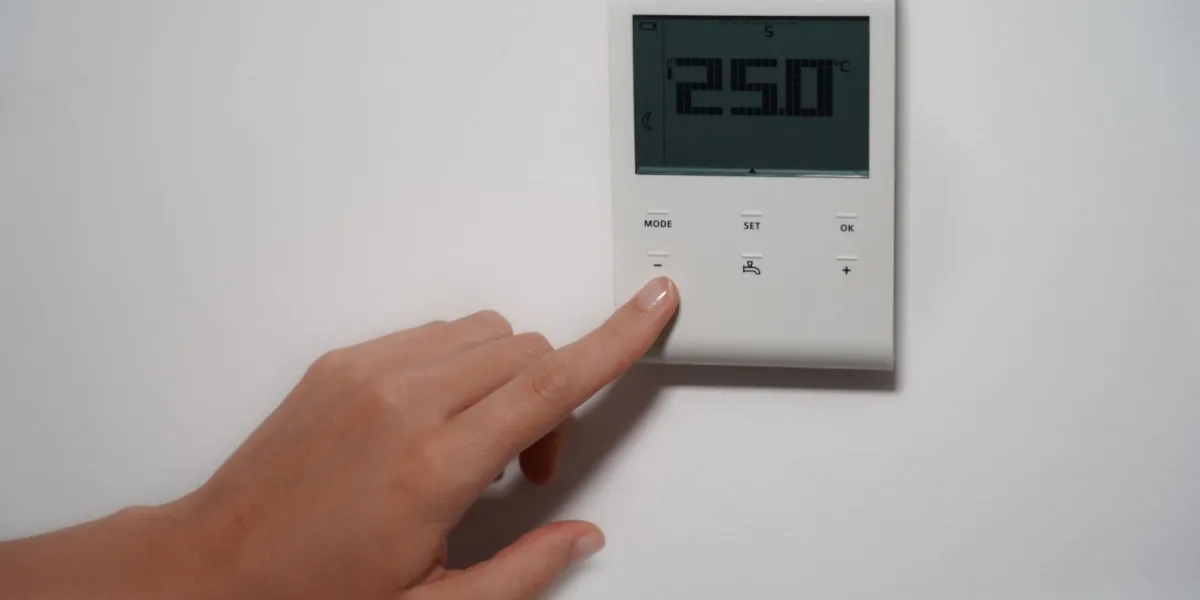
A programmable or smart thermostat is one of the highest-value small investments in this category. Setting the temperature a few degrees higher while you're away from home, then having it cool back down shortly before you return, reduces total runtime without you having to manually adjust anything or come home to an uncomfortably warm house. Many utilities also offer rebates specifically for smart thermostats, worth checking before assuming you're paying full retail price.
Ceiling fans do real work that a lot of people underestimate. Running a fan alongside your AC lets you raise the thermostat setting by a few degrees while feeling equally comfortable, since moving air feels cooler against skin even at a slightly higher actual temperature. Confirm your fan is set to spin counterclockwise in summer, pushing air straight down creates a cooling breeze, the reverse direction (used in winter to circulate warm air) doesn't deliver the same cooling effect.
A few maintenance habits directly affect how efficiently your existing system runs, independent of any behavior change:
- Changing air filters regularly, a clogged filter restricts airflow and forces your system to run longer to reach the same temperature
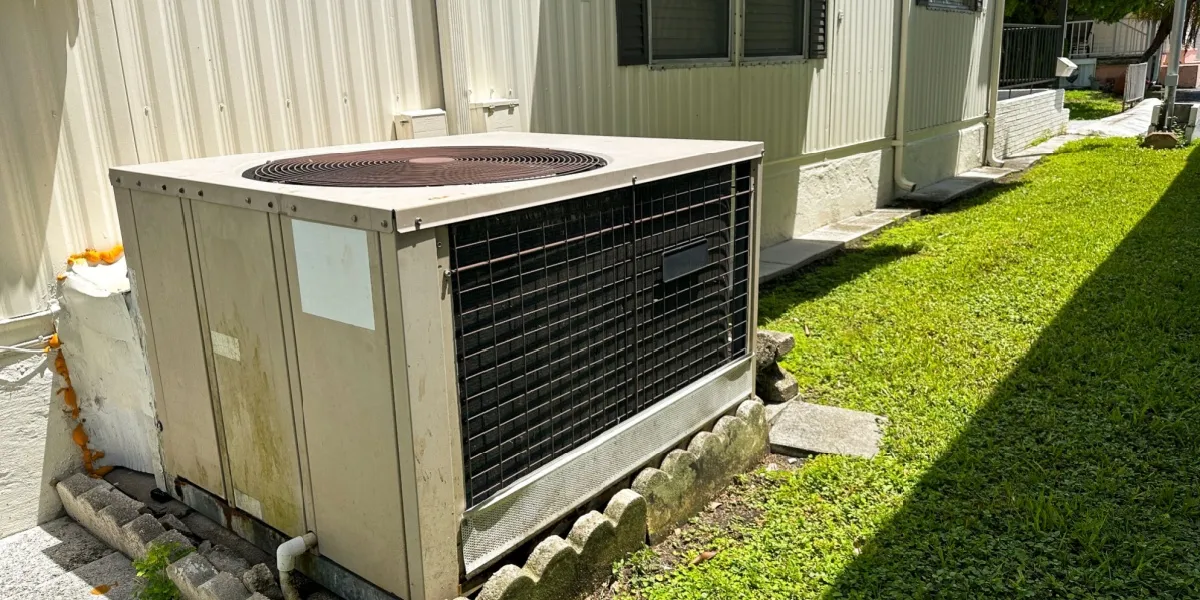
- Keeping the outdoor condenser unit clear of debris, leaves, grass clippings, anything blocking airflow around it, since restricted airflow at the outdoor unit reduces its ability to release heat efficiently
- Sealing obvious air leaks around windows and doors, weatherstripping and caulk are inexpensive and directly reduce how much cool air escapes and hot air enters
Timing your usage of heat-generating appliances matters more in summer than people realize. Running the oven, dryer, or dishwasher during the cooler parts of the day, early morning or evening, rather than the hottest afternoon hours, reduces the additional heat load your AC has to fight against on top of the outdoor temperature.
Attic insulation and ventilation are worth checking if your upper floor consistently runs hotter than the rest of the house, a common sign of heat radiating down from a poorly insulated or poorly ventilated attic space above. This is a bigger investment than the habits above, but it addresses a structural heat source that no amount of thermostat adjustment or fan usage can fully offset.
A practical way to prioritize: start with the free habits, closing blinds during peak sun, running ceiling fans, timing heat-generating appliances, since they cost nothing and can be implemented today. Layer in the low-cost fixes, filter changes, sealing obvious leaks, clearing the outdoor unit, over the next few weeks. Save the bigger structural investments, insulation, a smart thermostat, for when you're ready to commit real budget to a longer-term reduction in your cooling costs.
Humidity affects how hot a room feels as much as the actual temperature reading does, which is why a dehumidifier in consistently damp areas of the home, a basement, a bathroom without good ventilation, can make the whole space feel more comfortable without touching the thermostat at all. Lower humidity lets your body's natural cooling process, sweat evaporating off your skin, actually work the way it's supposed to, which is part of why a dry 78 degrees feels more comfortable than a humid 74. A single portable dehumidifier in the right room can make a bigger comfort difference than lowering the thermostat another two or three degrees, at a fraction of the added electricity cost. It's a small, targeted fix worth trying before assuming the only available answer is running the whole-house system harder and longer. Small, targeted changes like this one add up faster than most homeowners expect once several of them are working together instead of relying on any single fix alone.