Is Solar Still Worth It Now That the Tax Credit Is Gone?
If you've been putting off going solar while waiting to see what happens with incentives, here's the update: the 30% federal Residential Clean Energy Credit expired on December 31, 2025, and there's no confirmed plan to bring it back. That's a real change to the math, but it doesn't flip the answer from yes to no, it just makes the honest answer more dependent on where you live than it used to be.
Before the credit expired, a typical system's payback period, the time it takes for electricity bill savings to equal what you paid, ran considerably shorter than it does now. Losing that 30% discount, which could knock $6,000 to $9,000 off a typical system, extends payback by roughly two to five years depending on which analysis you look at. The national average payback period in 2026 sits at around 10 years post-credit, but that average hides enormous variation.
Your electricity rate is the single biggest factor, more than sunshine, more than roof angle, more than anything else:
- High-rate states (California, Hawaii, Massachusetts, parts of the Northeast, and Texas during peak hours), where retail electricity runs above 20 cents per kilowatt-hour, still see payback periods of 5 to 9 years even without the federal credit, and 15 to 20 years of largely free electricity afterward
- Moderate-rate states, payback commonly lands in the 10 to 13 year range
- Low-rate states (Louisiana, North Dakota, and similar), where electricity is already cheap, payback can stretch to 18 to 20 years or longer, long enough that the financial case genuinely weakens
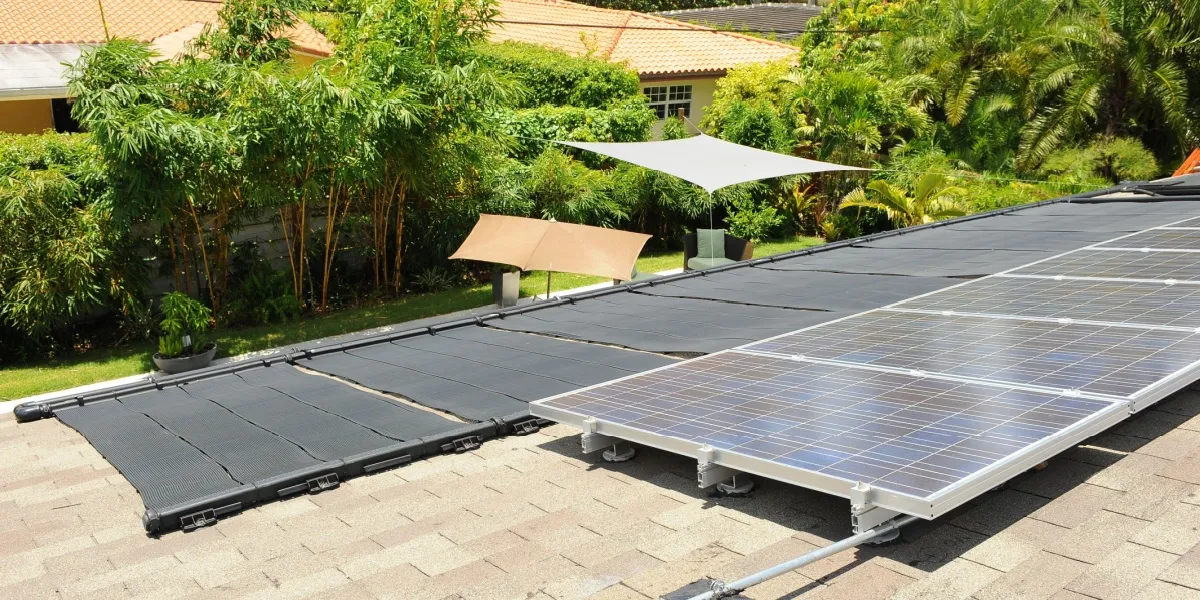
Solar panels are engineered to last 25 years or more, retaining roughly 81% of their original output even at that age under typical degradation rates. That long lifespan is exactly why a 10-year payback, while longer than homeowners were quoted a year ago, still leaves 15 years of near-zero electricity costs afterward on a system that will keep producing well past that point.
A detail that's easy to miss in the "tax credit is gone" headlines: it didn't disappear for everyone, it moved. The commercial Section 48E tax credit remains active for third-party owned systems through December 31, 2027. This means solar leases and power purchase agreements, PPAs, where a company owns the system and you pay for the electricity it generates rather than owning the panels yourself, can still indirectly benefit from a federal incentive, since the commercial entity claims the credit and can pass some of that savings on to you through a lower rate. A prepaid PPA specifically can bring payback periods down to 5 to 7 years in some cases, closer to what ownership offered before the credit expired.
Battery storage has become a more central part of the solar conversation than it used to be, and for a specific reason. Without a battery, grid-tied solar panels stop producing during a power outage, a safety requirement, not a design flaw. A battery also lets you store cheap solar-generated power and use it during expensive peak evening hours rather than selling it back to the grid at a lower rate, which matters more as net metering rates, the credit you get for excess power sent back to the grid, decline in a growing number of states.
A practical way to evaluate your own situation: pull your last 12 months of actual electricity bills and calculate your true cost per kilowatt-hour, not the headline rate, but total bill divided by total usage, since fees and delivery charges often push your real rate higher than the advertised generation rate alone. If that number is above roughly 15 to 18 cents per kilowatt-hour, the solar math is likely still compelling even without the federal credit. If it's well below that, get quotes and run the numbers carefully before assuming solar will pay for itself within a timeframe that matters to you.
One more thing worth asking any installer directly: whether your specific quote assumes you're paying cash, financing the system, or entering a lease or PPA, since each path has genuinely different math and the salesperson's "payback period" claim can shift dramatically depending on which one they're describing. Ask for the payback calculation specifically for the financing structure you're actually planning to use, not a generic cash-purchase example that may not reflect your real situation at all. Getting that specific number in writing before signing anything is worth the one extra question it takes to actually ask for it.