What a Foundation Inspection Actually Costs
Two very different services get called a "foundation inspection," and confusing them is how homeowners end up either overpaying for something basic or underpaying for something that needed a specialist. Knowing which one you actually need is the first real decision, and it determines the cost more than anything else.
A general home inspector evaluating the foundation as part of a standard, full home inspection is the more common and less expensive path. Most standard home inspections that include foundation evaluation run $300 to $750 for an average single-family home, and at a lot of inspection companies, that foundation check is simply built into the base inspection fee rather than billed as a separate line item. This kind of inspection is appropriate for routine home-buying due diligence, or a general periodic check when nothing specific is alarming you.
A licensed structural engineer is the other path, and it's the one you want when there's a known or suspected problem rather than a routine check. Engineers charge more, their rate reflects specialized education and experience, and they're brought in specifically to assess conditions a general inspector flagged, or that you've noticed yourself, cracks, doors that won't close properly, uneven floors. If you're dealing with a specific concern rather than a general checkup, this is genuinely worth the extra cost, since a general inspector's assessment isn't a substitute for an engineer's judgment on whether something is structurally serious.
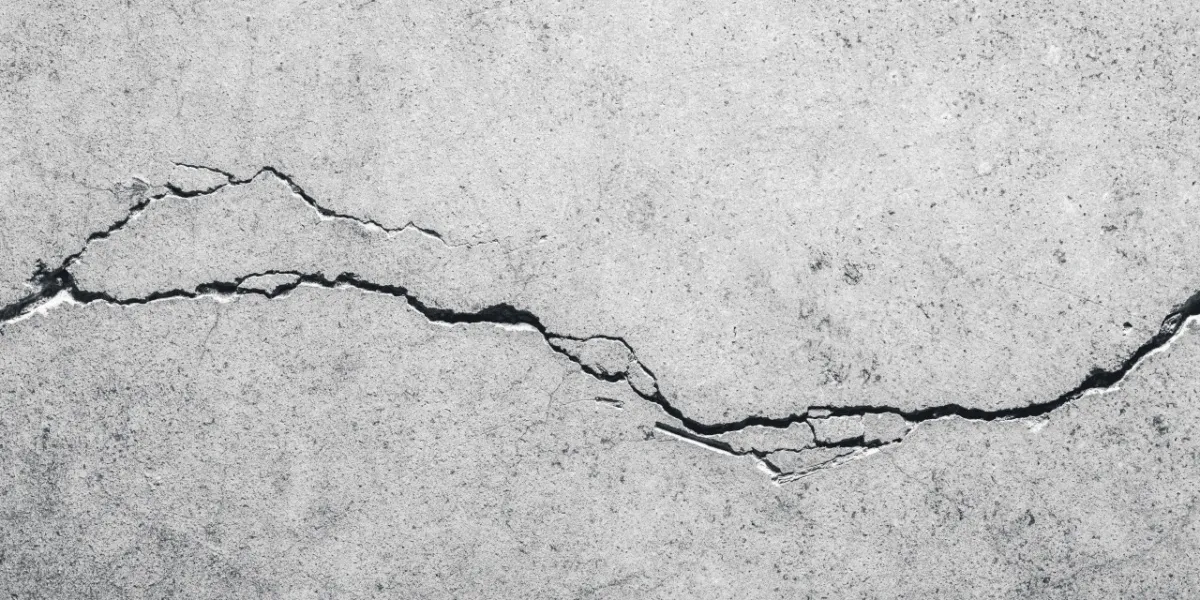
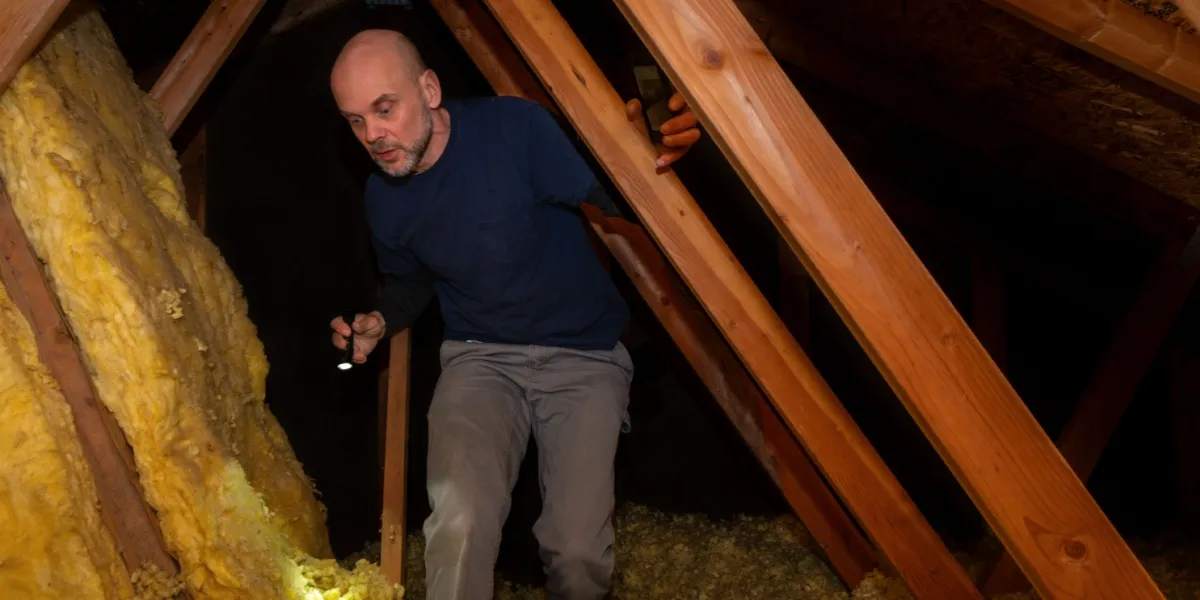
What actually happens during either type of inspection: the inspector examines the foundation's perimeter, the crawl space or basement, and looks for horizontal cracks, stair-step cracking in brick or block, bowing walls, and surface spalling. They'll also check related indicators elsewhere in the home, windows and doors that stick or don't close squarely, trim work with visible gaps, and attic or roof signs that can indicate the same underlying movement. A typical inspection takes one to two hours depending on home size and what the inspector finds along the way.
A practical tip that actually affects your bill: since labor is the primary cost driver, clearing debris and clutter from your basement or crawl space before the inspector arrives lets them get to work immediately rather than spending part of the appointment navigating around boxes and storage, some inspectors will charge more if access is genuinely obstructed.
How often you should have this done depends on whether anything's actually changed. Many experts recommend a simple visual DIY check twice a year, especially after extreme weather, since temperature swings and prolonged rain both affect the soil around your foundation and can accelerate movement. A professional inspection every one to three years is the general recommendation for a home with no known issues, more frequently if you're already monitoring a specific crack or concern.
If you're buying a home and a foundation issue turns up during inspection, you have real leverage, but only if you use it before closing. Sellers who refuse to either lower the asking price to reflect the needed repair, or handle the repair themselves before the sale completes, are a legitimate reason to walk away from the deal entirely, a foundation issue discovered after closing becomes entirely your financial problem instead.
Since foundation problems can also affect other parts of a home's structure, chimneys, decks, retaining walls, it's often worth asking the same engineer to assess those areas during the same visit if you have any concerns there too. You'll pay somewhat more for the broader assessment, but it's meaningfully cheaper than scheduling two separate visits from two different specialists later.
One statistic worth keeping in mind before you're standing in front of a contractor mid-crisis: a recent industry survey found nearly 60% of homeowners describe their structural repair projects as urgent or emergency situations by the time they act, and that urgency directly correlates with paying more, since people under time pressure tend to accept the first or second estimate they receive rather than shopping around. Getting ahead of a foundation concern with a routine inspection, well before it feels like an emergency, is one of the more reliable ways to avoid that specific trap. Scheduling that first inspection before anything feels urgent is the single easiest way to keep the entire process, and its cost, on your own terms rather than a contractor's, and it costs a fraction of what an emergency visit would run. That single decision, made calmly and ahead of time, is worth far more than its modest price tag suggests.