What a Full Exterior Repaint Actually Costs, and Why
Paint fades before most homeowners notice, until one day the whole house suddenly looks tired next to a neighbor's freshly painted one. Knowing what a full repaint actually costs, and what drives that number up or down, makes the eventual project a lot less of a surprise.
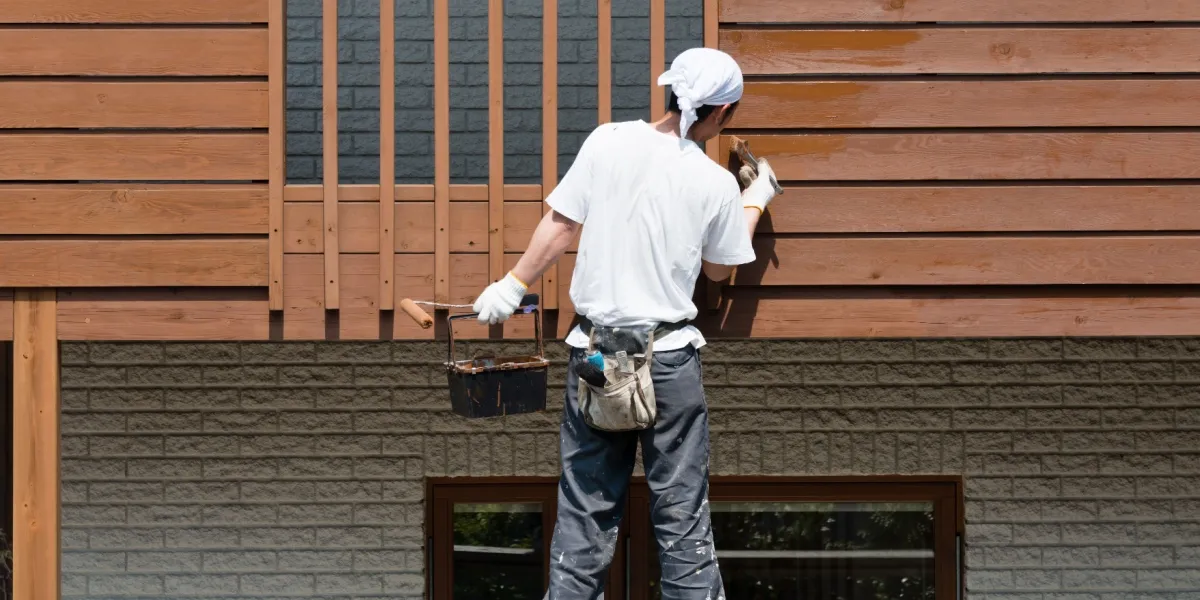
For a full exterior repaint with standard prep and two coats of a mid-tier paint, national averages typically run in the range of a few thousand dollars for a standard single-story home, climbing meaningfully for larger or two-story homes since there's simply more wall surface to cover and ladder or lift work slows the crew down. Regional pricing swings matter too, Northeast and West Coast markets typically run 20% to 35% higher than the national average, while Midwest and South markets often run 5% to 15% lower.
Your siding material changes the baseline cost significantly. Standard vinyl, wood, or fiber cement siding in reasonable condition is the pricing assumption behind most published averages. Stucco, brick, and any siding needing significant repair before painting can even begin add 20% to 40% on top of those base numbers, since surface prep on those materials takes considerably more time and skill.
A few common add-ons are worth budgeting for separately, since they're not always included in an initial quote:
- A color change, especially light to dark or the reverse, usually requires a third coat, adding roughly 10% to 15% to the base price
- Multiple body colors, common on Victorian or Craftsman-style homes with three to five accent colors, adds time for masking and cutting in clean lines, typically 8% to 20% depending on complexity
- A fence or deck painted or stained in the same visit, which runs $3 to $8 per linear foot for a fence and $800 to $2,500 for a deck depending on size and whether it needs stripping first
DIY looks tempting on paper, and sometimes it genuinely is the right call. Paint and materials for a typical home run $700 to $1,500, while the labor that normally gets billed on top runs $4,000 to $6,000, a gap that makes DIY savings look enormous in theory. In practice, DIY tends to work out well specifically for single-story homes with straightforward geometry and good existing condition, and works out considerably worse for homes with extensive trim detail, height that requires real ladder or scaffold work, or siding that needs meaningful repair before paint can even go on.
The prep work matters more than the paint brand, and this is genuinely underappreciated by most homeowners pricing out a job. Pressure washing, scraping loose or peeling paint, sanding rough spots, and priming bare wood are what actually determine how long a paint job lasts, a premium paint applied over poor prep will still fail early, while a mid-tier paint applied over excellent prep can hold up for years longer than expected.
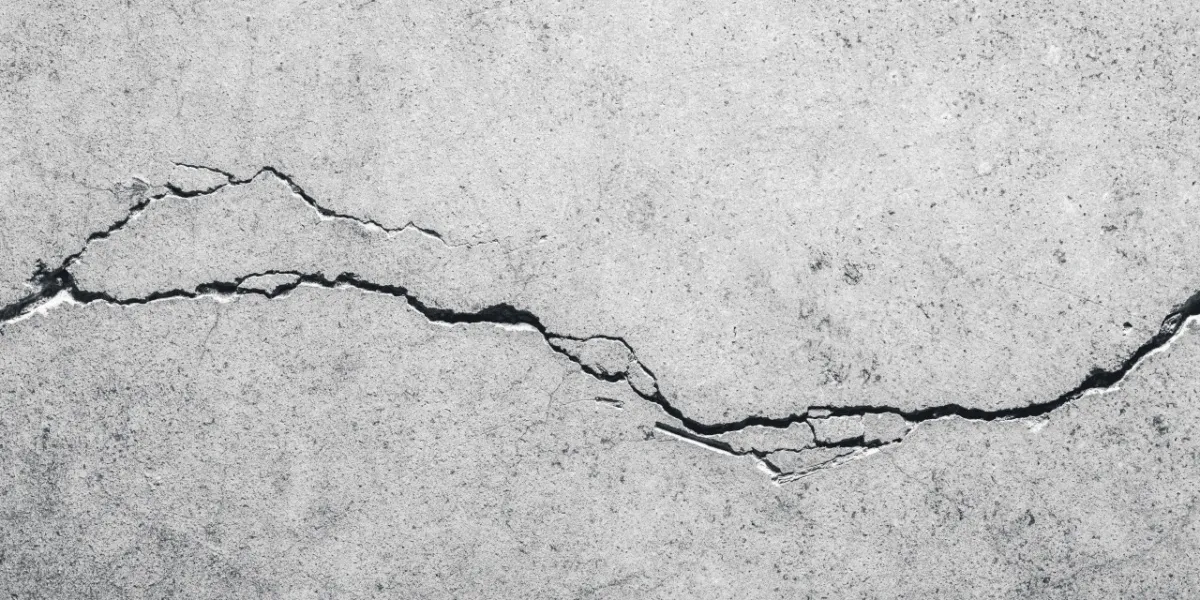
A reasonable repaint interval to plan around: most exterior paint jobs last 7 to 10 years on wood or fiber cement siding in a moderate climate, shorter in intense sun or coastal salt exposure, longer in milder climates with good initial prep. If your current paint is chalking (leaving a powdery residue when you rub your hand across it), cracking, or peeling in multiple spots rather than just one isolated area, that's usually the signal it's genuinely due rather than something a touch-up can fix.
Get at least two or three quotes broken out by scope, prep work, number of coats, trim versus body pricing, and whether they're using a premium or mid-tier paint line, since a lump-sum number without that breakdown makes it hard to know what you're actually comparing between bids.
Ask specifically what paint line and sheen level is included in the quote, not just the brand name. Within any given manufacturer's lineup, a builder-grade paint and a premium exterior line can differ significantly in both price and how many years the finish actually holds up, so two quotes from the same paint brand aren't necessarily comparable unless the specific product line is spelled out.
Timing the project seasonally matters too. Most paint manufacturers specify a minimum temperature range for proper curing, and painting outside that window, either too cold or in direct high heat, can shorten the finish's lifespan regardless of prep quality. Spring and fall tend to offer the most reliable painting weather in most climates, which is also often when contractors have the most schedule flexibility to negotiate on price, since summer and the run-up to winter tend to be their busiest and least flexible stretches.