What a Video Doorbell Actually Does for Your Security
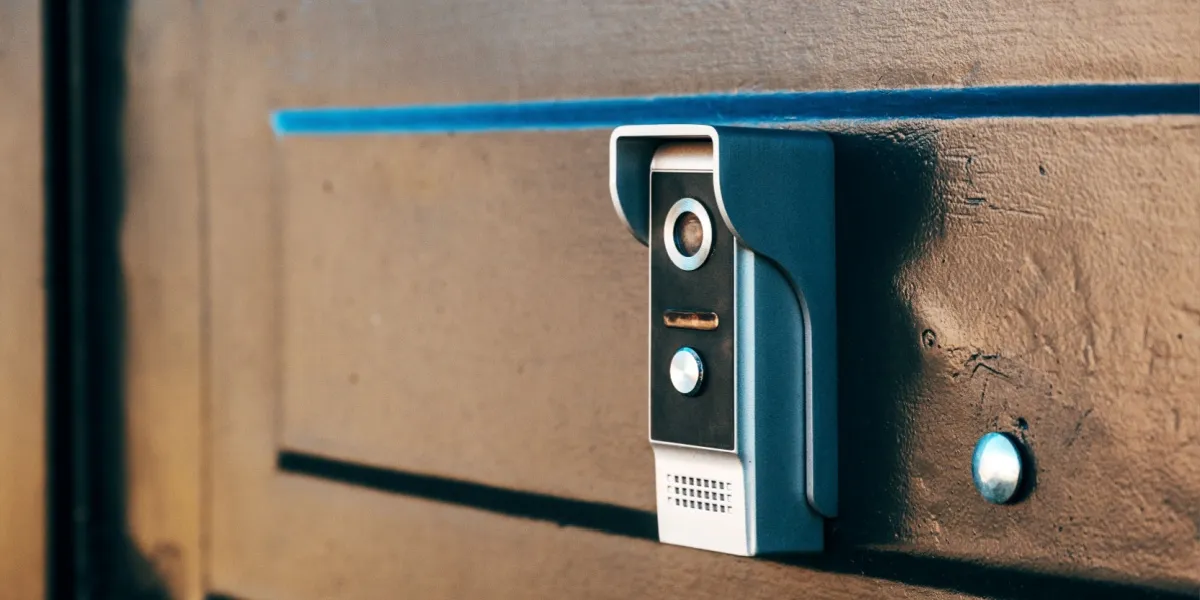
A video doorbell answers a question that used to require actually walking to the door: who's out there, and is it worth getting up for. It's a small device with an outsized effect on daily convenience and a real, if often overstated, security benefit.
Installation costs vary by doorbell type. A basic wired doorbell replacement runs $175 to $375 installed. A wireless doorbell, which skips connecting to your home's existing doorbell wiring, runs $150 to $275. A smart doorbell with a built-in camera runs a wider range, $150 to $650, depending on features like resolution, field of view, and whether it includes built-in storage or requires a cloud subscription.
Equipment cost alone, before installation, is often more modest than people expect. Entry-level battery-powered models start around $100, while premium models with wider field-of-view lenses, higher resolution, or advanced AI-based person detection run higher. If you're comfortable with basic DIY installation, especially for a battery-powered model that doesn't require wiring, you can skip the installation labor entirely and just handle the hardware cost.
Ongoing costs are the part that catches people off guard after the initial purchase. Most video doorbells with cloud video storage require a subscription to actually save and review footage beyond a live view, commonly $5 to $40 a month depending on the provider and how much footage history you want retained. Skipping the subscription on some models means you only get live viewing with no way to pull up footage after the fact, which defeats a meaningful part of the security value if a package theft or incident happens while you're not watching in real time.
A meaningful and growing number of newer models now offer local storage instead, saving footage to a physical storage card or a home hub rather than the cloud, which avoids the recurring subscription entirely. This is worth specifically asking about if the monthly fee is a sticking point, since it's become a genuine differentiator between brands rather than a rare feature.
Resolution and field of view matter more than most marketing copy makes obvious. Most current models offer at least 1080p resolution, which is now the baseline rather than a premium feature. Field of view varies more meaningfully between models, a wider horizontal view, 155 to 180 degrees on some premium models versus 120 degrees or less on basic ones, captures more of your porch and walkway, which matters if packages get left off to the side rather than directly in front of the camera.
A few features worth prioritizing over ones that just sound impressive in an ad:
- Two-way audio, letting you actually speak to whoever's at the door remotely, useful for delivery instructions or simply confirming who it is before opening
- Motion zone customization, so the doorbell only alerts you for activity in specific areas (your porch, not the sidewalk or street), reducing false alerts from passing cars or pedestrians
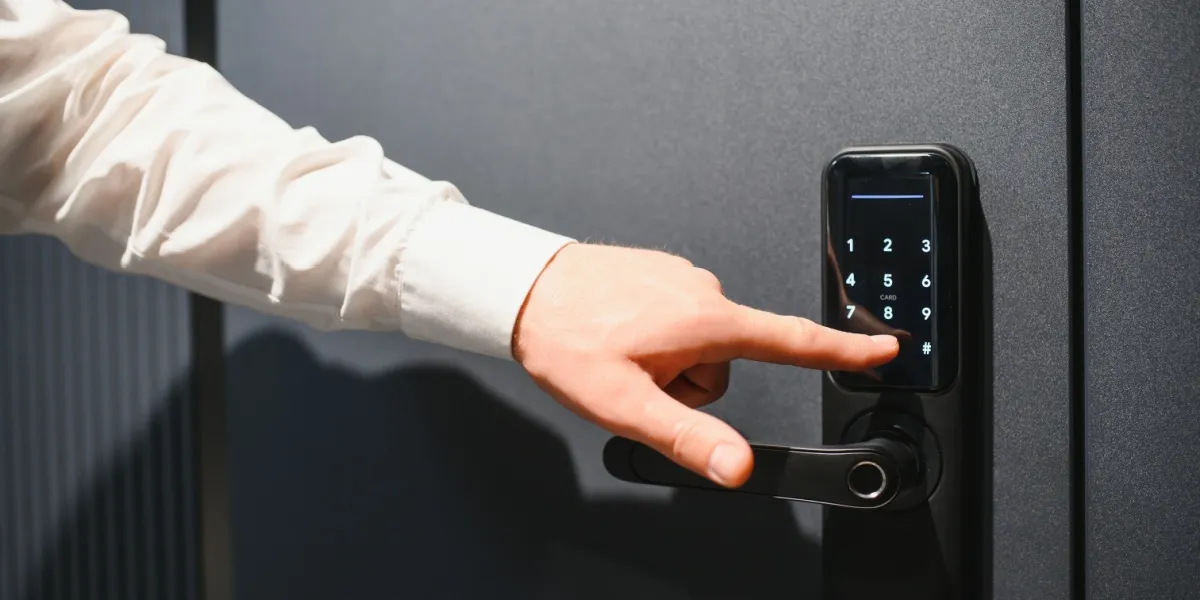
- Smart lock integration, if you already have or plan to add a smart lock, letting you remotely unlock the door for someone you've confirmed via the doorbell camera
Warranty coverage is worth checking before you buy rather than after something fails. Manufacturer warranties on doorbell cameras vary, and extended coverage, typically $19 to $50 for two years, is available from some retailers if you want protection beyond the standard window, particularly useful for a device that lives outdoors and takes some weather exposure regardless of its official rating.
One thing worth knowing if insurance savings are part of your motivation for buying one: a video doorbell alone, without a broader monitored alarm system, generally doesn't qualify for a homeowners insurance discount on its own. It's a genuinely useful device for convenience and basic security awareness, but if the insurance discount specifically is the goal, that requires pairing it with actual monitored alarm coverage rather than the doorbell by itself.
Battery life is a practical detail worth checking before you buy a battery-powered model specifically, since it varies considerably by usage pattern. A doorbell on a low-traffic side door might go months between charges, while one facing a busy front porch with frequent motion triggers can need recharging every few weeks, which is worth factoring in if a wired option is available and installation isn't a barrier. Some manufacturers now offer a solar charging accessory as an add-on specifically to address this, a small panel that keeps a south or west-facing doorbell topped off without needing to physically remove the unit for a full manual recharge every few weeks.