Your Security System Could Be Paying for Itself
A monitored security system does two jobs at once, it protects your home and it can lower one of your recurring bills. Most homeowners know about the first benefit. A lot fewer realize how significant the second one actually is.
Most major insurers, State Farm, Allstate, USAA, Liberty Mutual, and Farmers among them, offer a discount of 5% to 20% off your homeowners premium for a qualifying monitored system. On the national average homeowners premium of roughly $1,800 to $2,300 a year, a 15% discount works out to $270 to $345 a year back in your pocket, often enough to cover most or all of a basic monthly monitoring plan.
The distinction that determines your discount tier matters more than any other single factor: professional monitoring versus self-monitoring. A system with 24/7 professional monitoring, meaning a monitoring center actually contacts police or fire on your behalf when the alarm triggers, typically qualifies for the full 10% to 20% discount range. A self-monitored setup, cameras and sensors that just alert your own phone without a monitoring center involved, usually only qualifies for a smaller "protective device" credit, commonly 2% to 10%. A doorbell camera alone, without any broader alarm system, typically doesn't qualify for any discount at all.
The math is worth running for your specific situation before assuming it's automatically worth it. A basic self-monitored system costs $200 to $350 for equipment. Professional monitoring adds $10 to $45 a month depending on the provider, meaning $120 to $540 a year in ongoing cost. If your insurance discount saves $270 a year but monitoring costs $240 a year, the discount essentially pays for the monitoring, and you're getting the actual security benefit as a bonus on top. If your specific insurer only offers a 5% discount, the math may not fully offset the monitoring cost, though the security benefit itself is still real and worth weighing separately from the insurance math alone.
To actually claim the discount, insurers generally require a Certificate of Alarm or Certificate of Installation, a document your monitoring provider issues that confirms the system, the monitoring level, and often a UL listing if applicable. This isn't automatic just because you have a system installed, you have to specifically ask your insurer about the discount and submit that documentation, and some insurers will accept it only during a policy renewal rather than mid-term.
What insurers weight most heavily when determining your specific discount tier:
- 24/7 professional monitoring, the baseline requirement for the largest discounts
- Fire and smoke monitoring in addition to burglar alarm coverage, which several insurers reward with an even higher combined discount
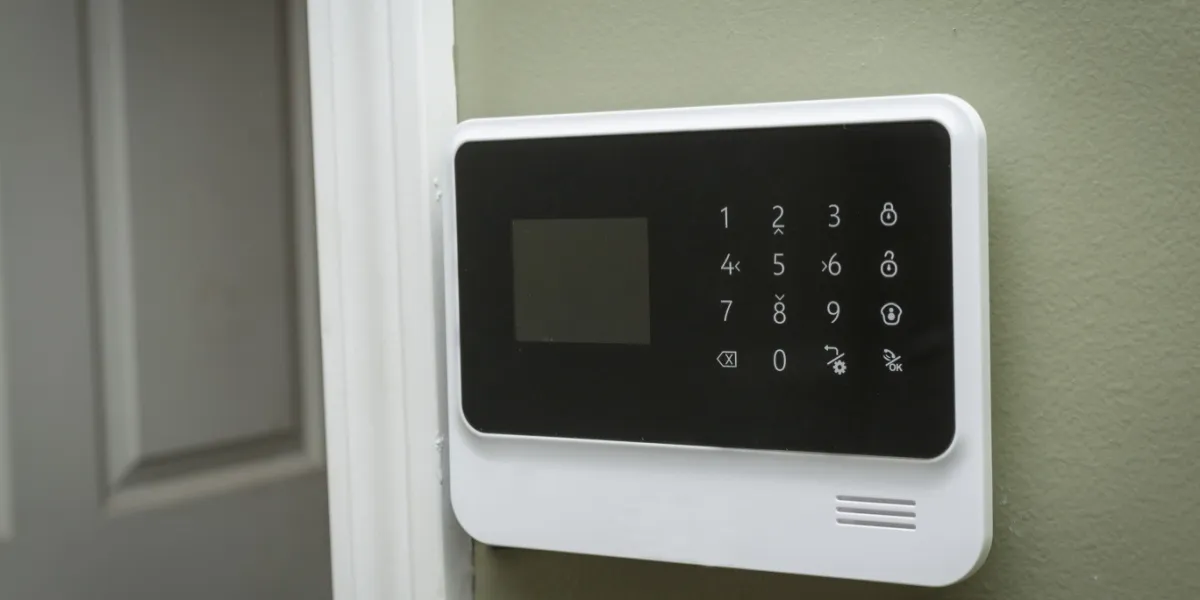
- Door and window sensors on all entry points, plus at least one motion sensor, the minimum equipment configuration most insurers want to see
A practical script for the actual phone call to your insurer: ask specifically "what discount do you offer for a monitored home security system," then ask exactly what features and documentation you'd need to qualify for the maximum tier rather than a partial one. Discount percentages for what looks like the identical system can vary meaningfully between insurers, one company offering 20% and another offering just 5% for comparable monitored setups, so this is genuinely worth a direct conversation rather than assuming a standard rate applies everywhere.
If you're switching security providers and already have an active discount, most insurers will let it carry over as long as the new system still meets the same monitoring requirements, simply by submitting an updated certificate from the new provider.
Bundle discounts on the equipment side are worth checking too before you buy, separate from the insurance discount entirely. Providers commonly offer a discounted multi-piece kit, a hub, keypad, door sensors, and a motion detector together, that costs less than buying the same components individually, which is worth comparing against piecing together only the specific devices you think you need.
Some DIY equipment providers offer professional installation for just the hardwired components, a wired doorbell camera, for instance, even if you're self-installing the rest of the system, which is a reasonable middle ground if you want professional-grade placement on the trickiest device without paying for a full-service installation of everything. That single hardwired install typically runs under $100 with most major providers, a small add-on compared to a full white-glove installation of the entire system. Confirm this pricing with the specific provider before assuming it applies universally, since it varies a bit by company and by region.