Bathroom Safety Upgrades That Don't Look Like a Hospital Room
There's a real fear behind a lot of bathroom safety hesitation, and it's not about the cost. It's the worry that grab bars and non-slip flooring will make a home feel institutional, like the bathroom belongs to a facility rather than a house. That fear is outdated. The products themselves have changed enough that safety and style aren't actually competing goals anymore.
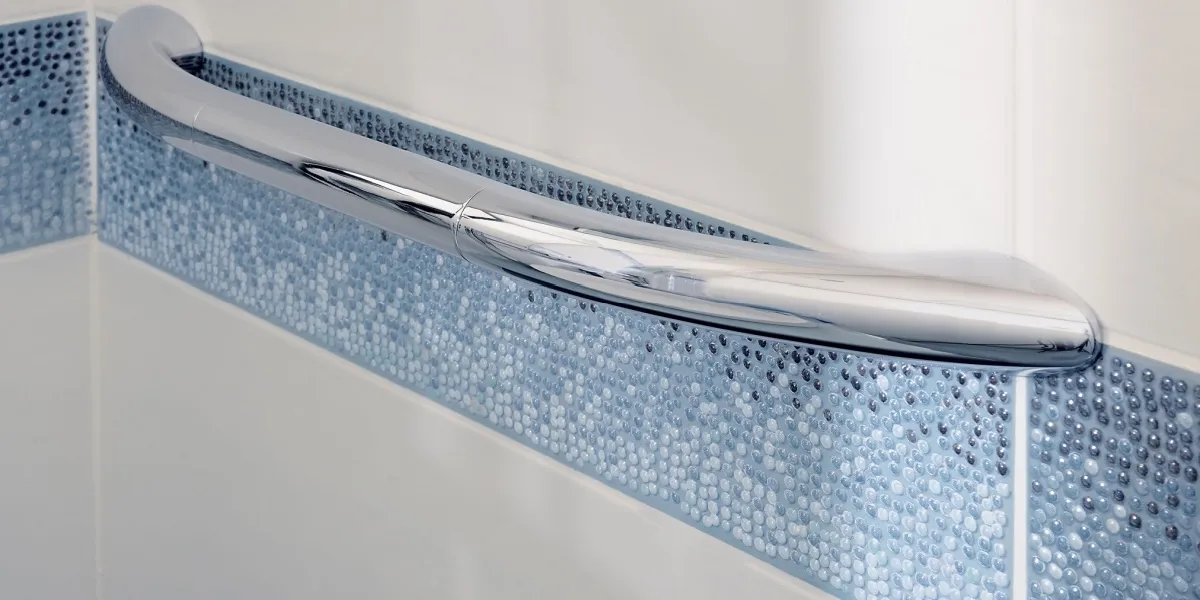
Grab bars are the clearest example of this shift. The stark chrome bars people picture from decades past have been replaced by an entire category of finishes designed to blend into modern design, brushed nickel, matte black, oil-rubbed bronze, even bars shaped to double as a towel rack or shelf. The functional requirement hasn't changed, a bar needs to be anchored into wall studs or a specialized mounting plate to hold real weight during an actual fall, not just decorative screws into drywall, but the visual result no longer announces itself as medical equipment.
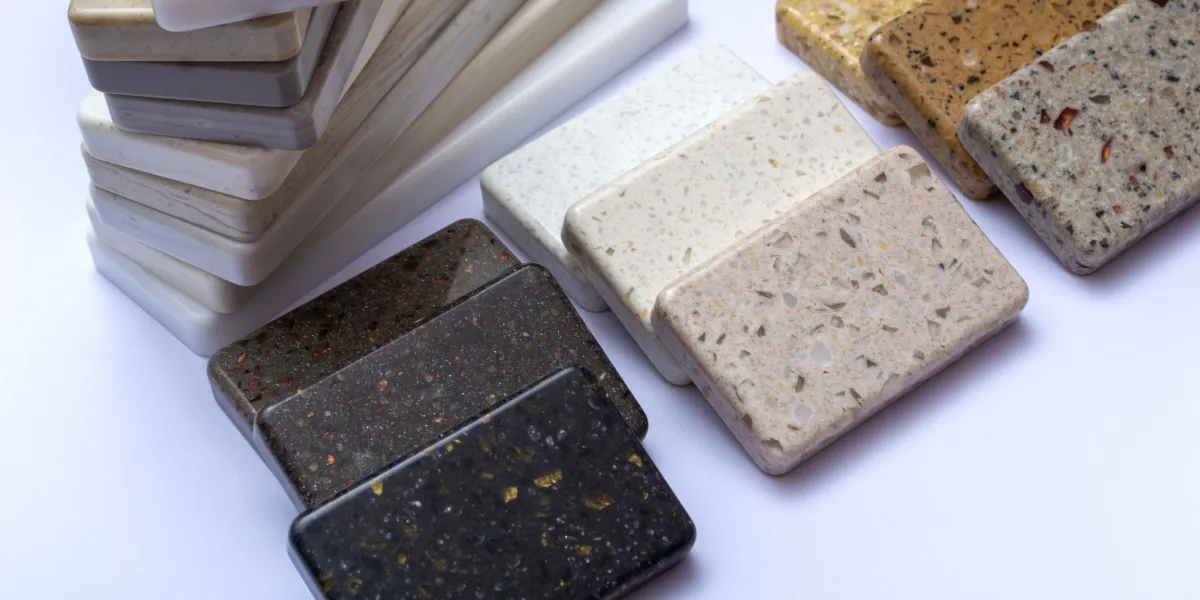
Flooring is where a lot of the real safety work happens, and it's also one of the easier upgrades to make look intentional rather than clinical. Slip-resistant floor tile now comes in the same finishes and patterns as standard tile, the difference is in the surface texture and coefficient of friction, not the color palette. Textured porcelain and matte finishes provide real traction without the visible grip pattern of older industrial anti-slip surfaces.
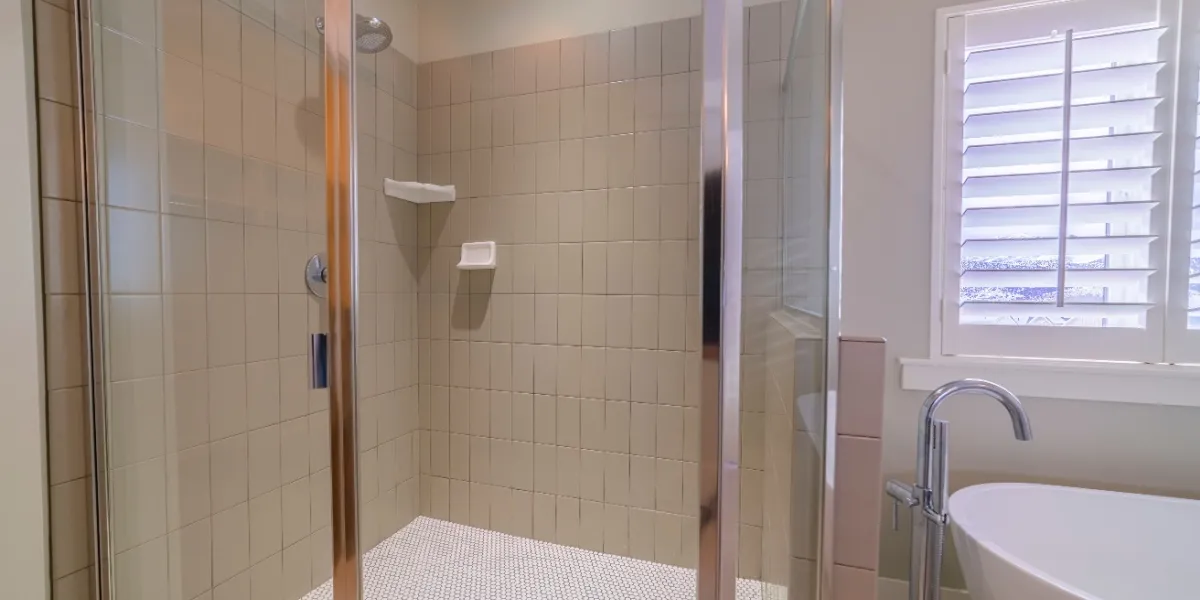
Curbless, zero-threshold showers solve two problems simultaneously, which is part of why they've become the default recommendation for both safety and design. Eliminating the raised entry that a traditional shower or tub requires removes one of the most common fall points in the entire house, stepping over an edge while your footing and balance are already compromised by wet surfaces. At the same time, a curbless shower reads as a modern, spa-like design choice in current bathroom trends, not an accessibility retrofit, which is exactly why it doesn't carry the institutional feel older adaptations sometimes did.
A few upgrades worth knowing about that specifically split the difference between safety and everyday comfort:
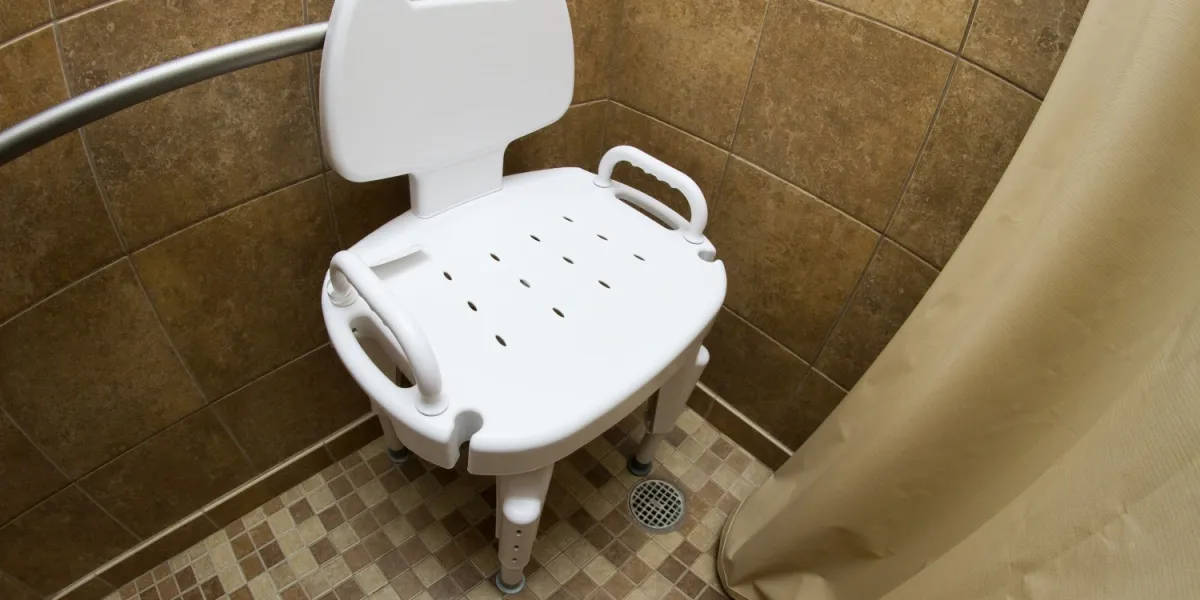
- A built-in or fold-down shower bench, useful for anyone who wants to sit while showering, not framed as a medical need but as a genuine comfort feature many households choose regardless of age or ability
- A handheld showerhead on a sliding bar, which adds flexibility for anyone showering seated and also functions as a normal upgrade for washing pets or cleaning the shower itself
- Comfort-height toilets, taller than standard models, which reduce strain on knees and hips for anyone, not just those with mobility concerns, and are increasingly just the standard height offered in newer toilet lines regardless
Lighting deserves more attention than it usually gets in this conversation. Most bathroom falls happen either getting in and out of the shower or navigating the room at night, and improving lighting, particularly a small motion-activated night light near the floor rather than a bright overhead fixture, addresses the nighttime risk without requiring anyone to fully wake up and adjust to harsh light at 2 a.m.
The framing matters as much as the products themselves when you're actually planning this. Rather than approaching a bathroom remodel as "making it accessible," which can feel like an admission that something's changed, framing it as a general upgrade, better lighting, a more spa-like shower, easier-to-clean surfaces, tends to get better buy-in from anyone hesitant about the changes, while accomplishing the exact same safety goals underneath.
A practical way to start without a full remodel: grab bars and a slip-resistant floor treatment can typically be added to an existing bathroom for a few hundred dollars, without touching the shower or tub at all, a reasonable first step before committing to a larger project.
One more detail worth checking before installing anything: confirm exactly where your wall studs are before choosing grab bar placement, rather than deciding on placement based purely on where it looks best. A contractor can install blocking behind the drywall in the ideal spots during a larger remodel, which gives you more flexibility on where bars go, but for a standalone grab bar installation without that prep work, the stud locations you already have determine your real options. Measuring twice before drilling once is the difference between a bar that saves someone during a fall and one that pulls straight out of the wall at the exact moment someone's full weight actually comes down on it during a fall.