More Homeowners Are Switching to Walk-In Showers: Here's What They're Actually Saving
The tub-to-walk-in-shower conversion has become one of the most requested bathroom upgrades in the country, and the reasons are pretty practical once you look at the actual numbers behind the trend.
The safety case, in real numbers
The CDC reports that 1 in 4 adults 65 and older falls every year, and roughly 80% of falls that happen inside the home occur specifically in the bathroom. That's not a scare statistic, it's the reason bathroom design has shifted so heavily toward curbless, barrier-free showers over the last several years: stepping over a tub edge is a genuinely higher-risk motion than walking into a level shower.
What it actually costs
Pricing varies a lot depending on scope, and it's worth knowing the range before you get quotes so you're not caught off guard:
- A basic prefabricated shower stall conversion: roughly $1,000 to $8,000
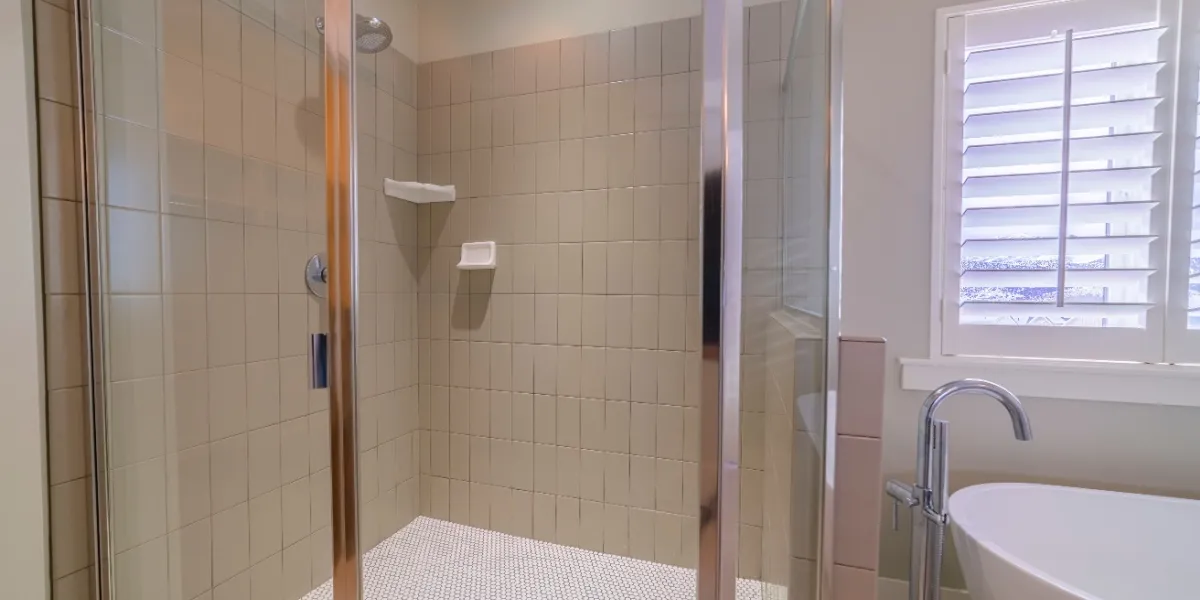
- A standard walk-in shower with some customization: roughly $6,000 to $12,000
- A fully custom, tiled walk-in shower with features like a built-in bench or frameless glass: $3,500 to $15,000
According to Angi's 2026 data, the average walk-in shower installation lands around $9,000, though your specific bathroom's plumbing layout has a big effect on where you fall in that range. If your existing drain and water lines can stay roughly where they are, you're looking at the lower end. If the layout needs to move, add $1,000 to $3,000 for the plumbing work alone.
What's actually driving the savings, beyond the shower itself
The upgrade isn't just about the shower pan. It's about what it prevents. A single fall-related hip fracture can mean significant medical costs and a long recovery, on top of the emotional toll of losing some independence. Compare that against a one-time $6,000 to $12,000 investment in a safer bathroom, and for a lot of homeowners, especially those planning to stay in their home long-term, the math tilts clearly in favor of doing it before an incident forces the issue rather than after.
Smart add-ons that don't blow up the budget
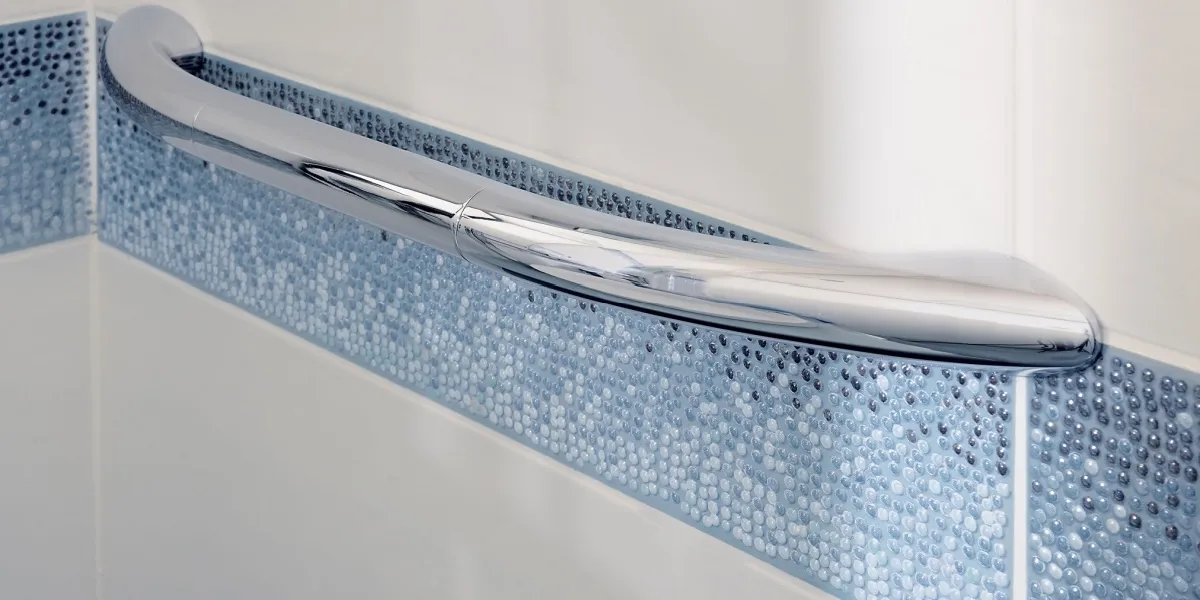
- Grab bars: $85 to $300 each, and modern versions come in finishes that look like a design feature rather than medical equipment
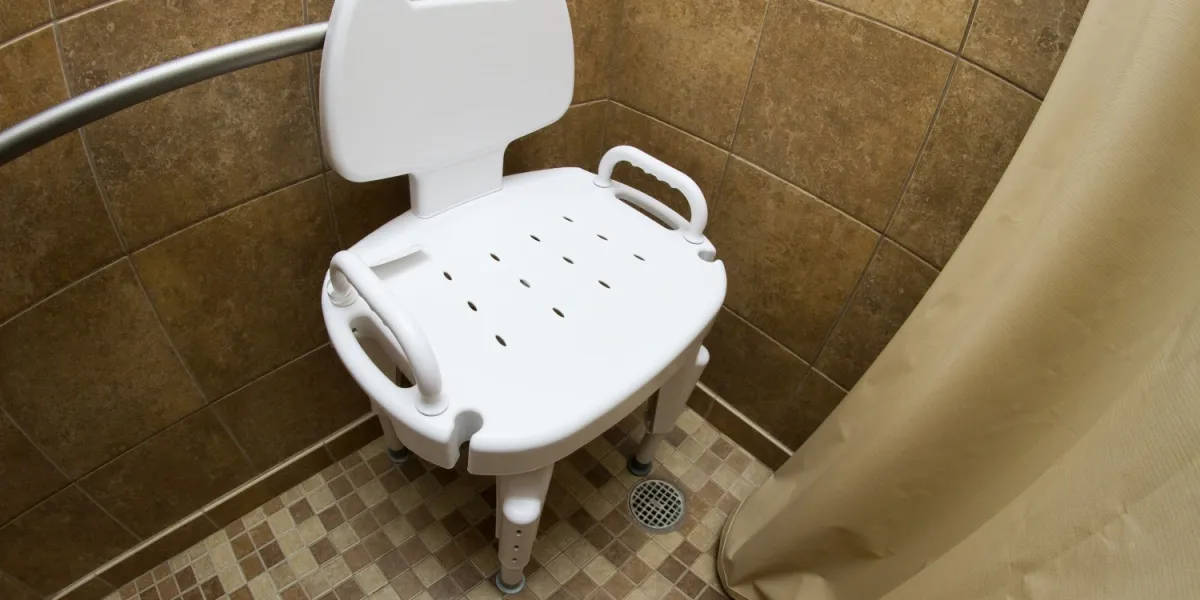
- A built-in or fold-down bench: $200 to $500, useful for anyone who wants to sit while showering without needing a full walk-in tub
- Slip-resistant flooring: $200 to $1,000, and arguably one of the highest-value additions for the cost, since flooring is where most bathroom falls actually start
How homeowners are actually paying for this
For a project in the $6,000 to $15,000 range, most homeowners use one of two paths. A home improvement personal loan works well if you want a fixed monthly payment and don't want to put your house up as collateral, typically running 8% to 15% APR with terms of three to seven years and funding in as little as one to three days. A HELOC generally offers a lower rate, currently around 7.5% to 9.5%, and interest may be tax-deductible when the loan is specifically for home improvement, but it does use your home as collateral and usually involves closing costs, which makes it a better fit for the larger end of this project range rather than a quick $6,000 stall swap.
A tax detail almost nobody brings up
If the conversion is being done for a documented medical reason (recommended by a doctor for a mobility or balance condition, for example), the IRS may let you deduct part or all of the cost as a medical expense. IRS Publication 502 specifically lists modifications like railings, support bars, and other bathroom accessibility changes as qualifying home improvements. The catch: your total medical expenses for the year, including the modification, have to exceed 7.5% of your adjusted gross income before any of it becomes deductible, and you'd need to itemize deductions rather than take the standard deduction to claim it. It's not a guarantee, and it's worth confirming with a tax professional or your accountant since documentation requirements matter here, but it's a detail insurance and warranty conversations rarely mention.
Does it help or hurt resale value?
This is worth addressing directly since it comes up often: removing a home's only tub in favor of an all-shower bathroom can be a mild resale negative in markets where families with young children are the dominant buyer pool, since a tub is sometimes viewed as a must-have for bathing small kids. If your home has more than one bathroom, converting one to a walk-in shower while leaving a tub elsewhere in the house sidesteps this entirely and captures the safety and convenience upgrade without the tradeoff.
The one question worth asking every contractor
Ask specifically whether your plumbing will need to move. That single factor swings your total cost more than almost anything else on this list, and it's the detail some quotes leave vague until after you've already committed.