Built-In or Removable Shower Seat? Here's the Real Difference
A shower seat is one of the smaller decisions in a bathroom remodel, and it's also one that's easy to get wrong by defaulting to whichever option a contractor happens to suggest first, rather than actually thinking through which type fits how the space will really be used.
A built-in shower seat, typically a tiled bench or a niche-style seat integrated directly into the shower's construction, becomes a permanent architectural feature. It's installed during the initial build or full remodel, tied into the waterproofing membrane and tile work from the start, which means it can't be added cheaply after the fact, this decision needs to happen during the planning phase, not as an afterthought once tile is already going up. A built-in seat also tends to look more intentional and design-forward, since it's tiled to match the rest of the shower rather than looking like an accessory placed inside it.
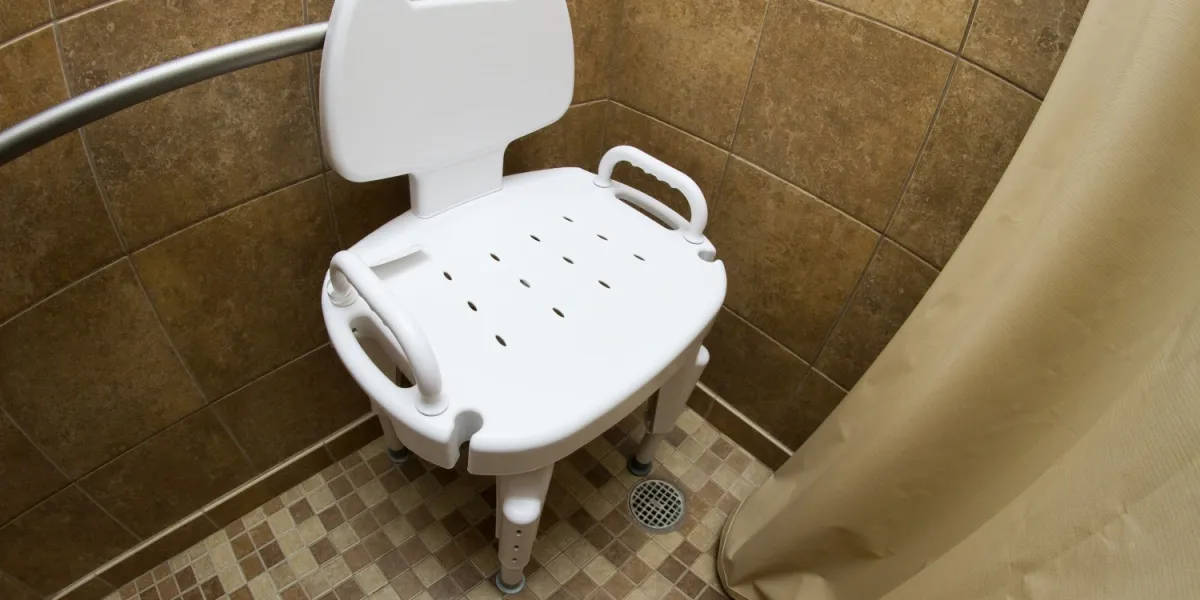
A removable or fold-down seat, by contrast, mounts to the wall using brackets or a hinge mechanism and can be added to an existing shower without any construction, or removed entirely if it's no longer needed. Fold-down versions flip up flush against the wall when not in use, taking up no floor space and not visually announcing themselves as a mobility feature the rest of the time.
Here's the tradeoff that actually matters for most households: a built-in seat is the better choice if you're already doing a full shower remodel or new construction, since the marginal added cost is modest, and it delivers a more finished, permanent look that ages well and needs essentially no maintenance beyond normal shower cleaning. A removable seat is the better choice if you're retrofitting an existing shower without a full remodel, or if the need is uncertain or potentially temporary, recovery from a surgery, an aging family member who may or may not need it long-term, since it avoids committing to permanent construction for a need that might change.
A few practical factors worth weighing beyond the basic built-in-versus-removable choice:
- Weight rating. Confirm any seat, built-in or removable, is rated to support real weight safely, not just decoratively installed. A removable seat specifically needs proper wall anchoring into studs or a reinforced mounting plate, not just anchored into tile or drywall alone
- Space and shower size. A built-in bench takes up permanent floor space within the shower itself, which matters more in a smaller shower where every square foot affects how the space actually feels to move through. A fold-down seat reclaims that floor space when not in use
- Resale considerations. A built-in seat is a permanent fixture a future buyer inherits along with the shower. A removable seat can be taken out entirely if a future owner doesn't want it, which offers more flexibility if resale timing is uncertain
Cost-wise, adding a shower seat during an already-planned remodel is relatively modest, commonly part of the broader $75 to $1,900 range that accessibility features add to a shower project depending on scope. Retrofitting a removable seat into an existing shower without any other remodel work is typically far cheaper still, often just the cost of the seat itself plus a straightforward installation.
A practical way to decide: if you're already tiling and building a new shower, go built-in, since the cost delta is small and the design payoff is real. If you're adding seating to an existing shower without a bigger project, a properly anchored removable or fold-down seat solves the same functional need without requiring any construction at all.
One detail worth asking about specifically if you go with a removable seat: whether the mounting hardware is designed for wet, humid environments specifically, rather than a general-purpose wall bracket. Standard hardware not rated for constant moisture exposure can corrode or weaken over time in a way that's not always visible until the seat actually fails under weight, which is exactly the wrong moment to discover a mounting problem. Confirming the specific hardware rating before installation is a small detail that genuinely matters over years of daily use in a wet environment. It's a five-minute question to ask before installation that's worth far more than it costs to bring up. Ask it directly, and don't accept a vague answer as good enough for something a family member will physically depend on every single day it's in use. This is one detail genuinely worth getting right the very first time, not fixing later.