Is Triple-Pane Glass Actually Worth the Upgrade?
Every window salesperson has a strong opinion about triple-pane glass, and depending on which one you talk to, it's either an essential upgrade or a marketing gimmick that barely moves the needle. The honest answer sits in between, and it depends heavily on where you live and how much extra you're actually being asked to pay.
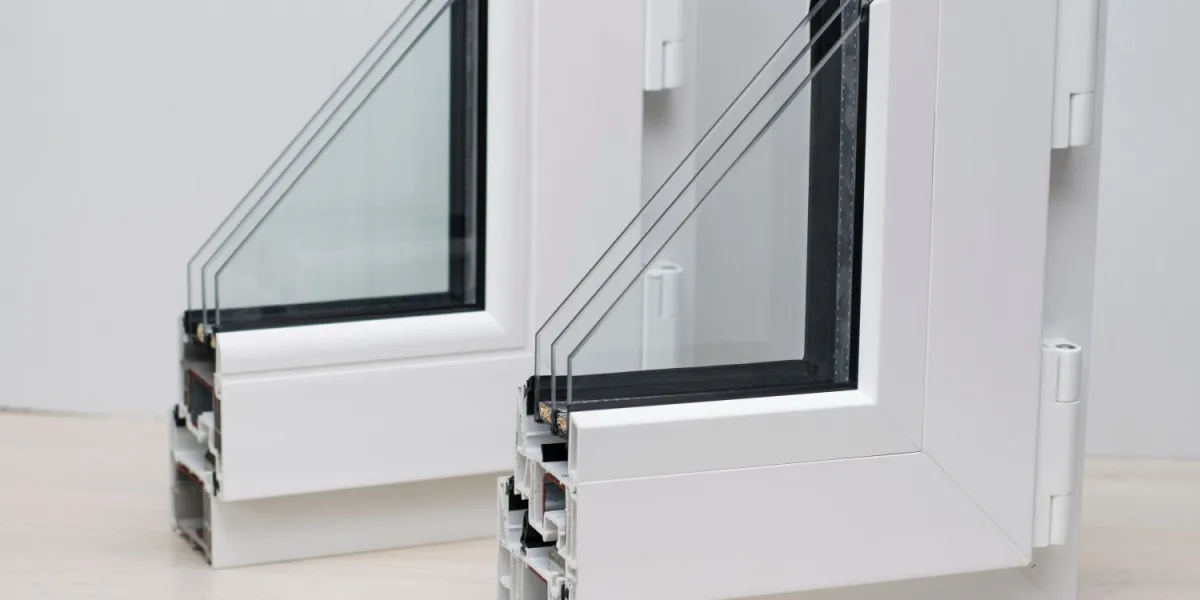
The physics is real and worth understanding first. Double-pane windows carry an R-value of roughly 3 to 3.8, meaning they let a meaningful amount of heat pass through. Triple-pane windows push that R-value up to 5, sometimes cited as high as 7 to 8 in premium configurations, by trapping two separate insulating gas layers between three sheets of glass instead of one layer between two. In plain terms, a double-pane window lets roughly 10% of heat escape through the glass, while triple-pane cuts that closer to 3%.
Here's where the honest numbers diverge sharply depending on the source, and it's worth seeing both to understand why. Some cost guides put the premium at a modest 10% to 15% over double-pane. Others, factoring in the reinforced frame and heavier glass triple-pane requires, put it at 30% to 50% more. On a full 15-window replacement, that's the difference between an extra $1,500 and an extra $6,000, a wide enough gap that it's worth getting your specific quote broken out by pane count rather than trusting any single published average.
The payback period tells a genuinely mixed story. In a moderate climate with a modest price premium, one detailed calculation found triple-pane windows save only about $51 a year over double-pane on a 15-window home, which at a $2,250 total premium works out to a 44-year payback, longer than most windows even last. In a harsher climate with more heating degree days, that same analysis showed the savings rising to around $77 a year, pulling payback closer to 29 years. Contrast that with a different, more climate-specific analysis for cold northern states like Ohio and Michigan, which found triple-pane paying back in 12 to 18 years, still a long horizon, but a meaningfully different picture than the 29-to-44-year range above.
What explains the gap between these numbers? Two things: how large the price premium actually is, and how cold your winters actually get. A smaller premium, some product lines charge only $30 to $80 more per window rather than several hundred, dramatically shortens the payback math regardless of climate. And climate zone matters more than almost any other factor, homes north of the 40th parallel, roughly the northern tier of the U.S., see meaningfully more benefit than homes in milder regions.
A few honest conclusions worth taking from all of this:
- In genuinely cold climates (Zones 5 through 8 on the Energy Star climate map), triple-pane is a reasonable upgrade if the premium is on the smaller end, and it delivers real comfort and noise reduction even where the strict energy payback runs long
- In mild or moderate climates (most of the South, coastal California, the Pacific Northwest), the energy savings alone rarely justify the extra cost, comfort and noise reduction are the honest reasons to upgrade there, not a compelling financial return
- The size of the premium matters as much as the glass itself. Get the exact per-window price difference in writing before assuming triple-pane is automatically worth it, since that number varies enormously between manufacturers and installers
One factor that doesn't show up in most online payback calculators: window-to-wall ratio. If a large share of your home's exterior wall area is glass, big picture windows, a wall of sliders, a sunroom, triple-pane's benefit scales up along with that exposure, since more glass area means more of your home's total heat loss is happening through windows rather than walls.
If noise reduction is part of your motivation rather than pure energy savings, know that triple-pane doesn't meaningfully outperform double-pane on sound, the extra pane primarily helps with heat transfer, not acoustics, so a busy street or nearby airport calls for asking about a specific acoustic laminate glass package rather than assuming a third pane alone will quiet things down.
A practical way to shop for this specifically: ask each window company for the exact per-window price difference between their double-pane and triple-pane options, in writing, along with the U-factor rating for both. Skip any salesperson who can only speak in general percentages rather than your home's actual numbers, since the real math depends entirely on your specific quote, not a national average pulled from a different climate.