Is Your Front Door Quietly Costing You Money Every Month?
A drafty front door does more than let cold air in during a windstorm. It quietly raises your heating and cooling bill every single day, in a way that's easy to miss since the loss is spread out gradually rather than showing up as one obvious spike.
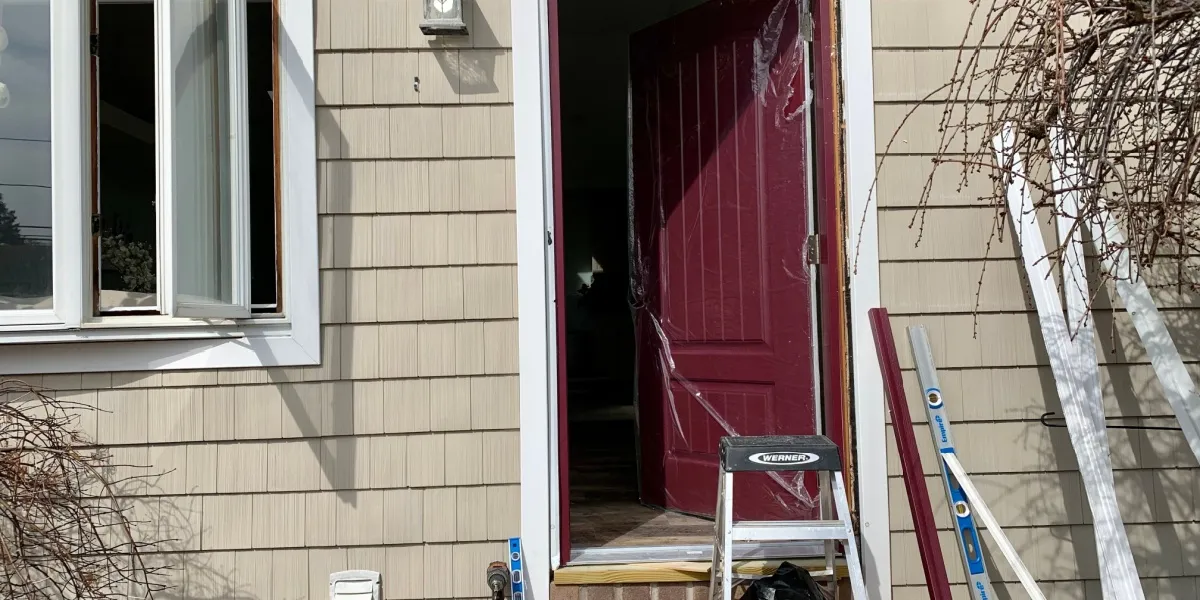
Most entry door replacement projects run $1,200 to $6,000 installed for a standard single prehung door, with national averages often landing in the mid-$4,000s once glass, hardware, and quality of the door system are factored in. That range covers the door slab, the frame it comes pre-hung in, removal of the old unit, and professional installation, including the air sealing that actually determines how well the new door performs.
Material choice moves both the price and the performance meaningfully:
- Steel offers the best balance of security, energy efficiency, and price, and remains the most common choice for exactly that reason
- Fiberglass, the fastest-growing category recently, mimics real wood grain while resisting dents, rot, and warping, and won't rust the way steel eventually can. Fiberglass doors run $1,500 to $9,000, and typically cost $1,000 to $2,500 more than a comparable steel door
- Wood offers the most traditional look and feel, but requires ongoing maintenance, painting, sealing, and rot inspection, that neither steel nor fiberglass need
R-value, the measure of how well a material resists heat transfer, is where fiberglass genuinely pulls ahead on paper. Fiberglass doors commonly carry R-values between R-6 and R-10, beating both steel and wood for pure energy performance. That said, energy efficiency on any door isn't just about the material rating, it's rating plus proper sealing plus quality installation working together. A high R-value door installed with a poor seal around the frame will still leak air, while a mid-range door installed correctly can outperform a premium one installed sloppily.
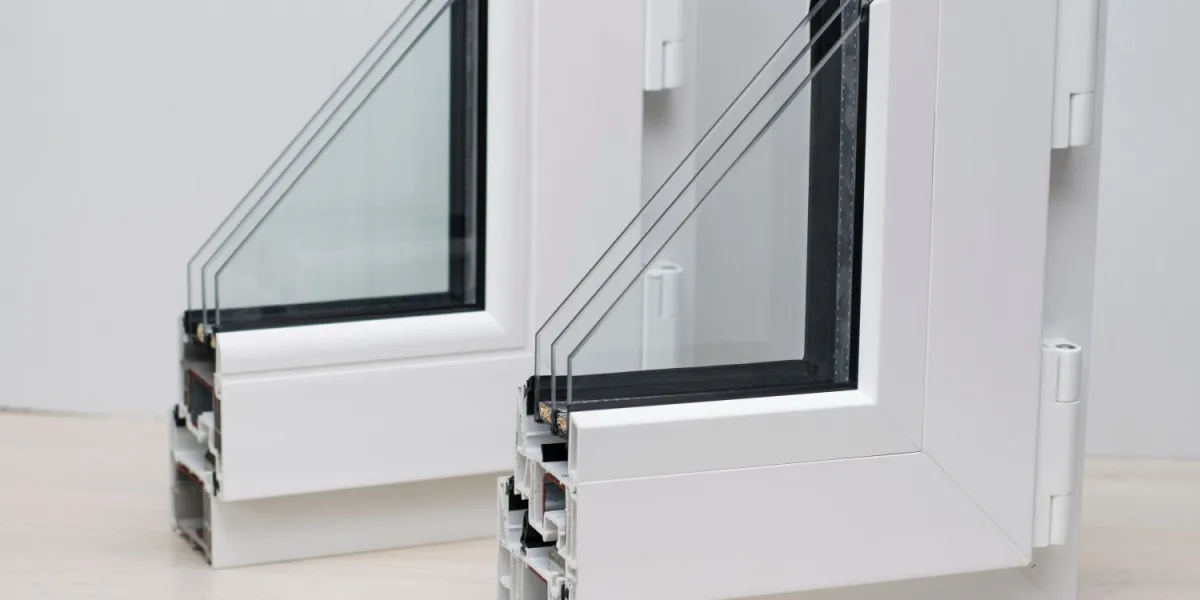
Glass adds both cost and complexity. Sidelights (narrow glass panels flanking the door) and decorative glass inserts in the door itself can add meaningfully to the total, sometimes doubling the base price depending on the size and style. Glass is also a place where energy performance can quietly slip if you're not paying attention, insulated or Low-E glass matters here just as much as it does in a window purchase, and a beautiful glass insert with single-pane glazing undercuts a lot of the efficiency gain from the door itself.
A few things worth checking before you commit to any quote:
- Whether the price includes the frame and threshold, not just the door slab, since a proper prehung system with correctly fitted framing and weatherstripping is what actually determines long-term performance, not just the door itself
- What warranty covers the product versus the labor, and whether that's spelled out in writing rather than described verbally
- Whether removal and haul-away of the old door is included, a small but easy-to-miss line item that shows up as a surprise charge otherwise
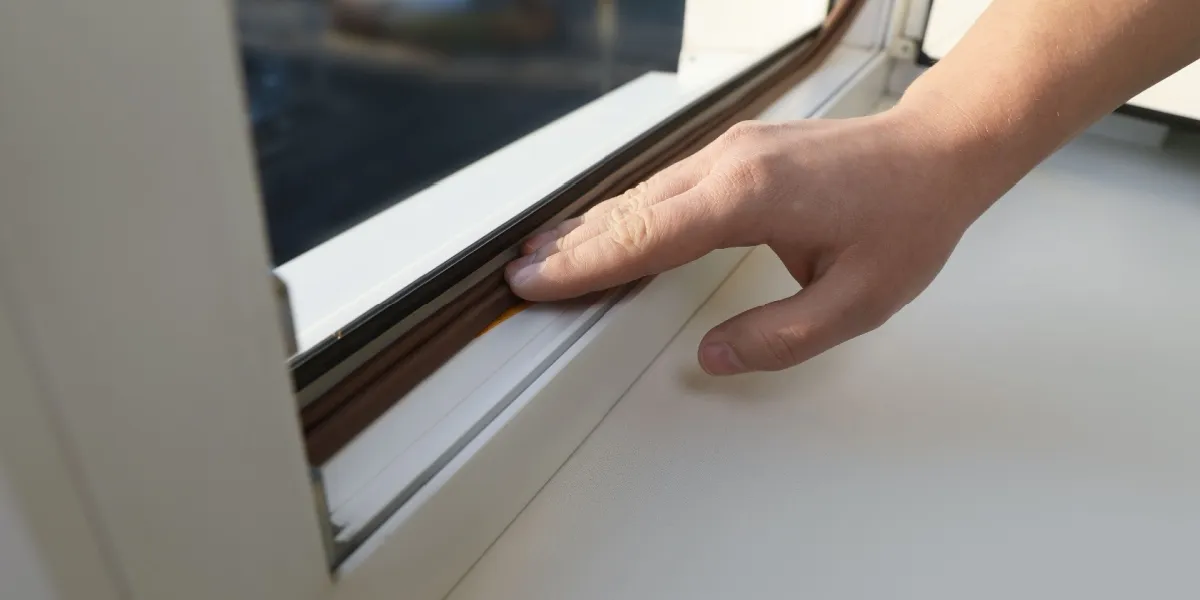
A quick way to check your current door's condition before deciding whether replacement is even necessary: close it and look for daylight visible around the edges of the frame, or hold a lit candle or incense stick near the weatherstripping on a windy day and watch for the flame or smoke moving, a simple sign of air leakage. If the door itself is solid but just poorly sealed, weatherstripping alone (a $20 to $50 fix) might solve the problem without a full replacement.
If you're comparing quotes across contractors, ask each one for the exact door brand and model, not just "steel door" or "fiberglass door" as a category, since performance and price both vary considerably within any single material type depending on the specific manufacturer and product line.
Measurement is the one step that determines whether the rest of the project goes smoothly. Online cost averages don't know your door's exact size, glass configuration, or hardware preferences, which is why every legitimate quote should start with an in-person measurement rather than a number given over the phone based on square footage alone.
Locking hardware is worth upgrading at the same time if your current setup is basic, since you're already paying for labor and the marginal cost of a better deadbolt or smart lock installed during the same visit is typically much lower than having someone come back separately for that swap later. A basic deadbolt swap alone typically runs under $50 in parts, small money compared to the labor you're already committing to for the door itself, and it means one less separate service call down the road.