Old Windows Could Be Costing You Money: Here's How to Check
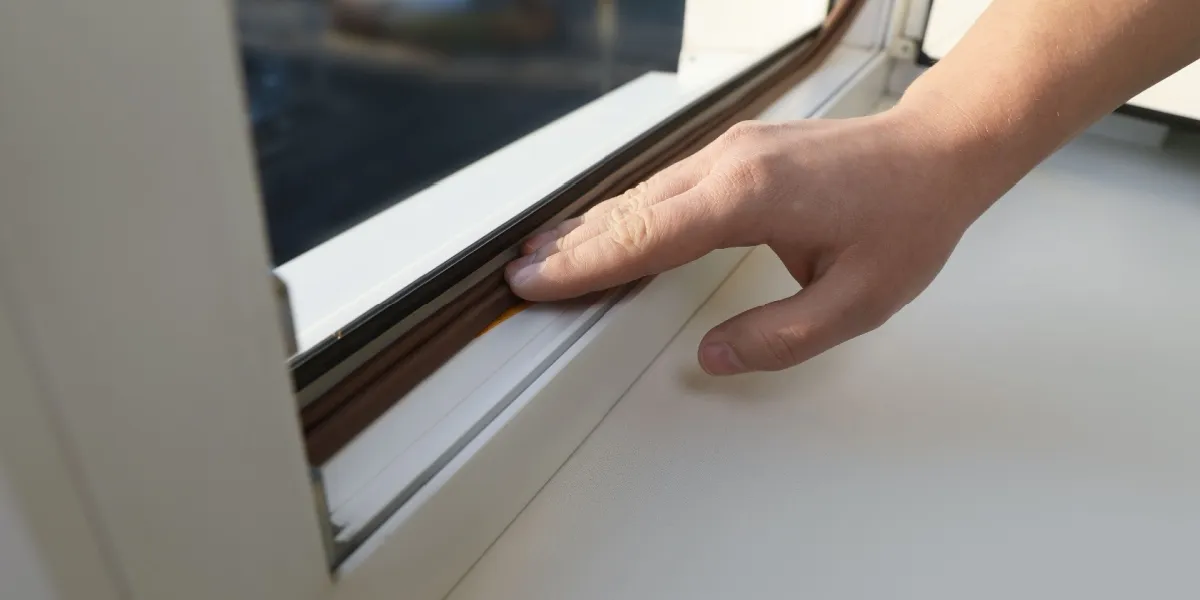
Try this right now if you're near a window: hold your hand an inch or two from the glass or the frame. Feel a draft, even a faint one? That's not just a comfort issue. That's money leaving your house.
What the draft is actually costing you
According to ENERGY STAR's own published estimates, replacing old single-pane windows with certified energy-efficient windows saves the average household somewhere between $126 and $465 a year, depending on your climate zone. If you already have double-pane windows that are simply aging or poorly sealed, the savings from an upgrade are more modest, typically $27 to $111 a year, but they're still real money you're currently not getting back.
Zoom out to a 20-year window (pun intended), and even a modest $150-a-year savings adds up to around $3,000 over the life of the new windows. That's before factoring in the added comfort of not sitting near a drafty window in January, or the reduced strain on your HVAC system from not fighting a constant temperature leak.
Why this matters more than people think
The Department of Energy estimates windows are responsible for roughly 25% to 30% of a home's total heating and cooling energy loss. That's a quarter to a third of your energy bill, tied to a part of the house most people never think about unless there's a visible draft or a fogged-up pane.
How to know if it's actually worth doing
Energy-efficient window replacement typically costs 10% to 15% more upfront than standard windows, industry pricing data shows, which for a full-home project usually adds $1,500 to $3,000 to the total. Most homeowners see that additional cost pay for itself in energy savings within 7 to 12 years, faster in extreme climates or if your current windows are especially old and drafty, slower if you're in a mild climate where heating and cooling costs are already low.
Window replacement also carries one of the better returns on investment among common home projects: the national average ROI for wood window replacement is about 69.5%, according to Remodeling Magazine's Cost vs. Value data, which is notably higher than a major kitchen remodel (59%) or a bathroom addition (about 60%).
What material you choose changes the math
Frame material affects both your upfront cost and how long you're locked into that cost before doing this again:
- Vinyl, the most common choice: averaging around $558 per window installed, a lifespan of 20 to 30 years, and essentially zero maintenance since it can't be painted or stained.
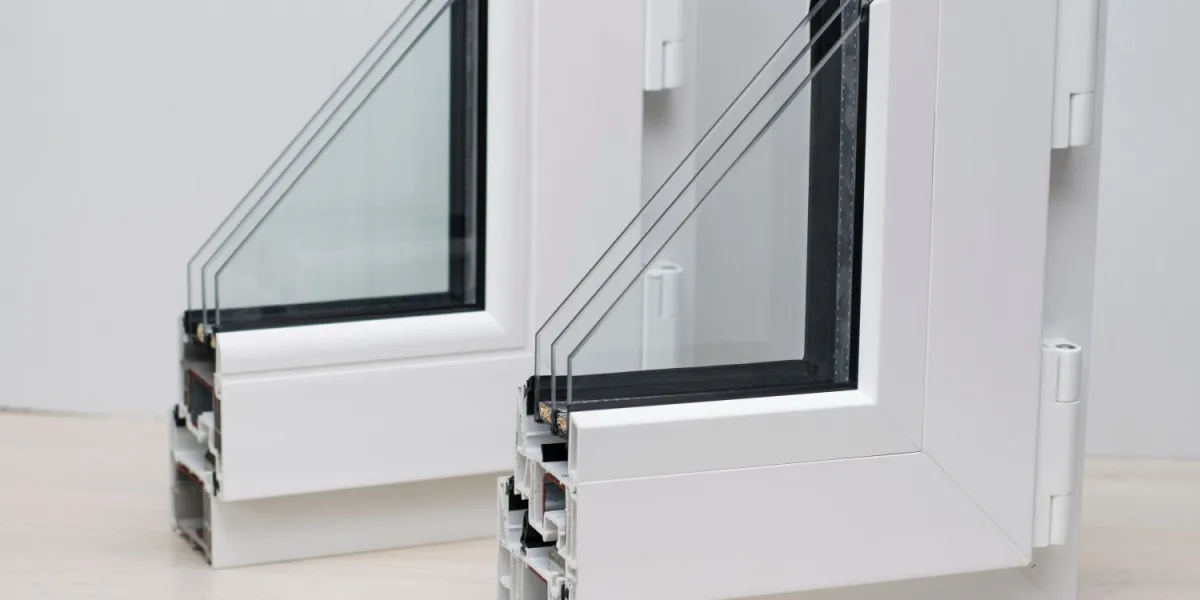
- Fiberglass: averaging around $651 per window, tends to last 30 to 50 years, and has a lower average U-factor (about 0.20 versus vinyl's 0.30), meaning it insulates somewhat better.
- Wood, the priciest standard option: typically $875 to $1,865 per window installed, offers the most traditional look, but requires ongoing painting, sealing, and rot inspection that neither vinyl nor fiberglass need.
For most homeowners doing a full-house replacement, that price difference is significant: swapping from vinyl to fiberglass on a 15-window house adds roughly $1,400 to the project, while wood can add $5,000 or more. Vinyl remains the most common choice for exactly this reason, it delivers most of the efficiency gain at a fraction of the cost of premium materials, and the glass package (Low-E coatings, gas fill, pane count) actually matters more for energy performance than the frame material does regardless of which one you pick.
One more thing worth knowing if you've seen window tax credits mentioned online: the federal Energy Efficient Home Improvement Credit for windows expired December 31, 2025, and as of now there's no federal tax credit for new window purchases in 2026. Some utilities and states still offer their own rebates, which is worth checking directly rather than assuming a federal credit still applies.
Your climate changes the answer more than any other factor
If you're in a mild climate, coastal California, Hawaii, or parts of the Pacific Northwest, the energy savings from new windows will be modest no matter how drafty your current ones feel, simply because you're not running heating or cooling hard enough for the difference to show up on a bill. In those areas, comfort and noise reduction are the real reasons to upgrade, not the energy math. In hot or cold climates where HVAC runs most of the year, the same upgrade pays for itself faster and the dollar savings are real rather than marginal, which is worth knowing before you assume the payback period quoted online applies to your specific house.
Three things to check before you get quotes
- Your current windows' U-factor, if you can find it on the original spec sticker. Look for new windows rated 0.30 or lower for solid efficiency, 0.25 or lower for the best performance.
- Whether your utility offers a rebate. Many local utilities and some states offer additional incentives on top of the energy savings themselves.
- Get quotes broken out by window, not as one lump total, since pricing (typically $400 to $900 per window before installation) can vary significantly by material and size across the same house.