Signs Your Water Heater Is About to Fail
WATER HEATER WARNING SIGNS
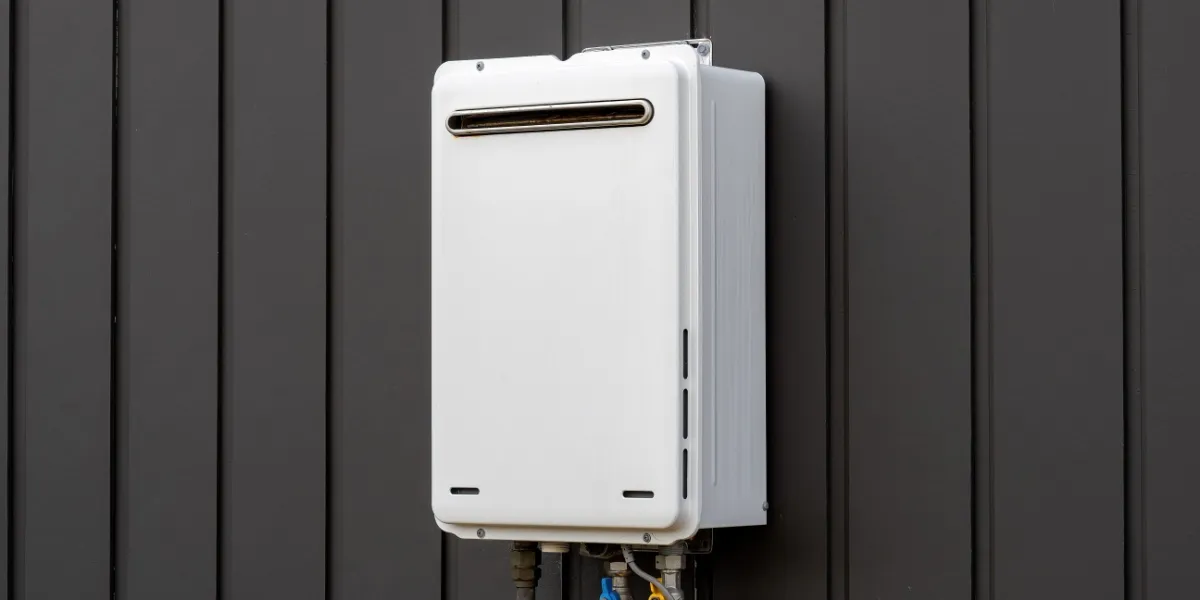
Most tank-style water heaters last 8 to 15 years, with the U.S. Department of Energy putting the typical range at 10 to 15 years for storage tank models. Gas units tend toward the shorter end of that range, 8 to 12 years, while electric models often stretch closer to 10 to 15. Tankless units last considerably longer, commonly up to 20 years or more, since there's no tank sitting full of water and prone to internal corrosion around the clock.
A few signs are worth watching for specifically:
- Rust-colored or discolored water from your hot tap, but not the cold, points to internal tank corrosion, and once you're seeing rust in the water itself, the tank has likely been corroding for a while already.
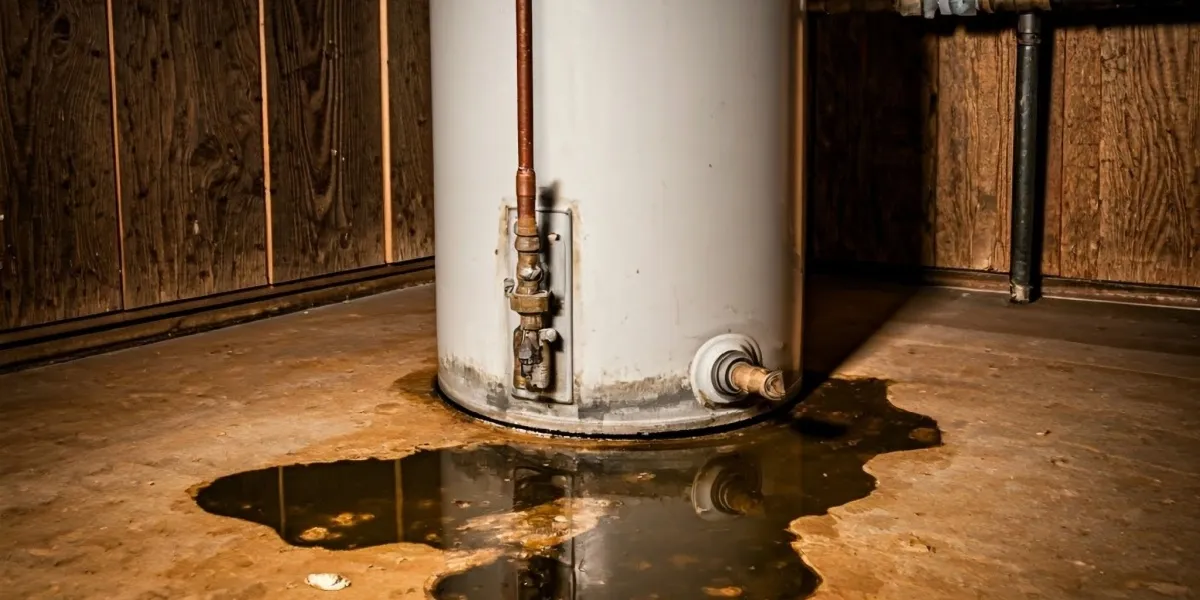
- Water pooling or dripping from around the base of the tank is a serious sign. Small valve or fitting leaks are sometimes repairable, but a leak from the tank itself almost always means replacement, since a tank doesn't heal once its lining fails.
- Loud popping, banging, or rumbling sounds during heating cycles usually mean sediment has built up on the tank floor, which reduces efficiency and can shorten the unit's remaining life even before it fully fails.
- Running out of hot water faster than you used to, even though nothing about your household's usage has changed, often signals the tank's heating capacity or sediment buildup is starting to catch up with the unit's age.
Plumbers generally use one rule of thumb to settle the repair-versus-replace question: if a repair would cost more than 50% of the price of a full replacement, replace instead of repair. It's also worth weighing your unit's age into that same decision even for a smaller repair. A $300 fix on a 4-year-old heater is obviously worth doing, but the same $300 fix on a 13-year-old unit is a bet on a system that's already near the end of its expected life regardless of what gets fixed today.
A standard 50-gallon tank-style replacement runs $1,200 to $2,500 installed in 2026, with the unit itself typically $400 to $1,200 and labor running $150 to $500 depending on complexity. Gas models cost a bit more upfront than electric but tend to have lower ongoing energy costs. Heat pump and hybrid water heaters, which use a more efficient technology to heat water, run higher upfront, installed costs of $2,300 to $4,400, but can meaningfully lower your monthly energy bill compared to a standard model, worth factoring into the total cost over the unit's lifespan rather than judging purely on the sticker price.
If your heater is in the 8 to 10 year range but otherwise still functioning normally, three things can genuinely buy you more time for a modest cost: an annual tank flush ($100 to $200) to clear sediment buildup, replacing the anode rod ($150 to $250) to reduce internal corrosion, and adding tank insulation ($20 to $50 in materials) to reduce energy loss. None of these prevent an eventual replacement, but they can realistically add a few years of reliable service to a unit that's aging but not yet failing.
Catching the warning signs early and replacing before a full failure saves homeowners an average of $1,200 to $3,500 in avoided water damage repairs and emergency replacement premiums, compared to waiting for a tank to actually rupture. Emergency same-day replacement, arranged after a failure has already caused a mess, typically costs $500 to $1,200 more than a planned replacement scheduled in advance, simply because there's no time to shop multiple quotes or wait for a better appointment slot.
If your unit is under 8 years old and functioning normally, no action needed beyond routine maintenance. If it's 8 to 12 years old, start budgeting for replacement and watch closely for any of the signs above. If it's past 12 to 15 years, or already showing rust, leaking, or unusual noise, get quotes now rather than waiting for a full failure that forces an emergency call on the worst possible timeline.
New ENERGY STAR certified units can also save $300 to $500 a year on utility bills compared to a 10-plus year old model, which over a typical 12-year lifespan adds up to $3,600 to $6,000 in energy savings on top of whatever you'd save by avoiding an emergency replacement. That's worth factoring in even if your current unit hasn't shown any warning signs yet, since an aging heater tends to lose efficiency gradually well before it fails outright.