Tank or Tankless: Which Water Heater Actually Saves You More?
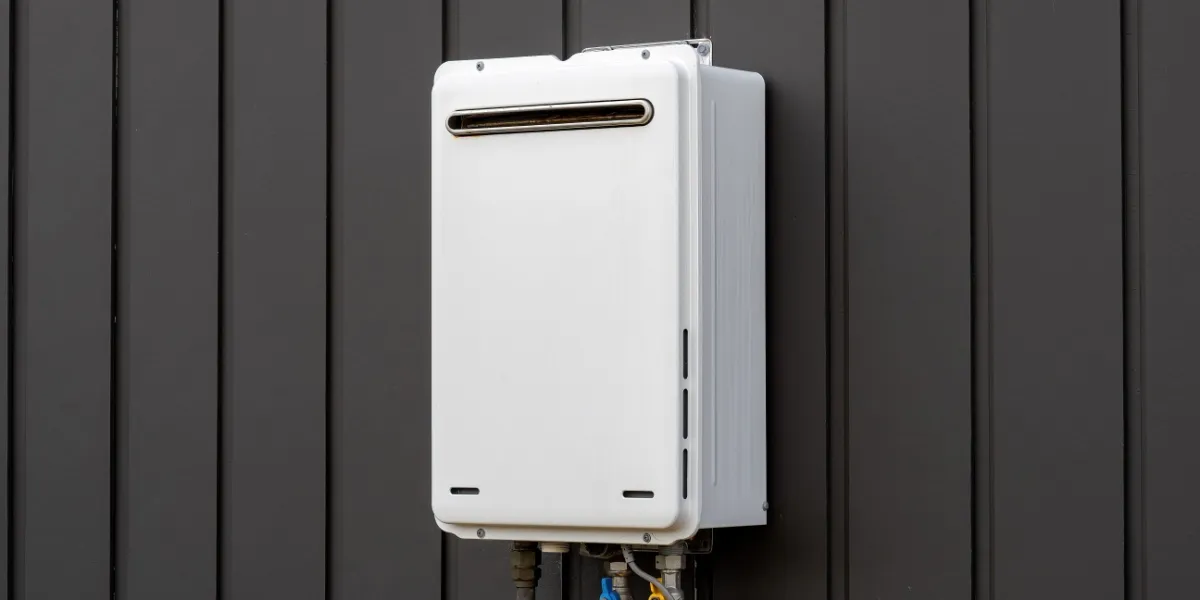
A tankless water heater costs more upfront than almost every homeowner expects going in, and that sticker shock is exactly why so many people default to another tank system without running the actual long-term math. The real answer depends on your household size, your hot water habits, and how long you plan to stay in the home.
The upfront cost gap is real and worth seeing clearly. A standard tank water heater runs $800 to $1,800 installed. A tankless system runs $1,200 to $5,500 installed, with a gas condensing whole-home unit averaging around $3,100 and an electric whole-home unit averaging around $1,800. The unit itself is only 30% to 50% of that tankless total, installation labor, venting, and any needed gas line or electrical upgrades make up the rest, which is why the same "tankless water heater" search term produces such wildly different price quotes depending on your home's existing setup.
Energy savings depend heavily on your household's actual usage pattern, more than most marketing suggests. Lower-usage households, singles, couples, or small families using 41 gallons of hot water a day or less, see the strongest efficiency gains, 24% to 34% compared to a tank system, translating to roughly $100 to $180 in annual savings. Higher-usage households, larger families running multiple showers and appliances simultaneously, see more modest gains, 8% to 14%, or roughly $50 to $120 a year, since a tankless unit works continuously harder to keep up with sustained demand rather than benefiting from the natural pauses a tank system relies on.
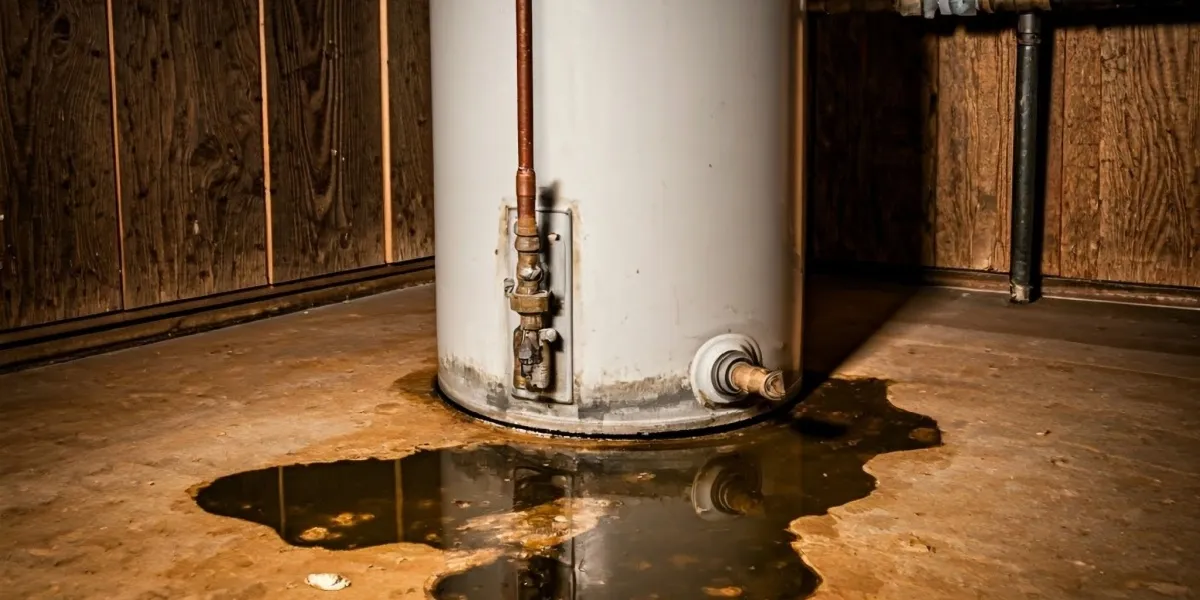
Lifespan is where tankless systems make up real ground on the higher upfront cost. A tank water heater typically needs replacing every 8 to 12 years. A tankless system commonly lasts 15 to 25 years, meaning over a 20-year window you'd replace a tank system once or twice while the tankless unit is still going, avoiding one or two full replacement costs entirely. That avoided replacement, not just the annual energy savings, is often the bigger part of the long-term financial case.
Running the numbers together: for a moderate-usage household, the combination of energy savings and avoided replacement typically brings the break-even point to somewhere around year 8 to 10. After that point, every year of continued use is straightforward financial gain rather than just recouping the initial premium.
A meaningful and current update if tax incentives were part of your calculation: the federal Energy Efficient Home Improvement Credit, which used to offer up to $600 back for a qualifying tankless gas unit, expired for any equipment placed in service after December 31, 2025, repealed by the One Big Beautiful Bill Act. If you're shopping in 2026, that specific federal credit is no longer available, regardless of what older articles or a salesperson still quoting it might tell you. State programs and utility rebates remain the more realistic incentive to check now, and they vary considerably, some states offer little to nothing for a standard tankless gas unit while offering meaningful rebates specifically for heat pump water heaters instead.
One functional limitation worth understanding before switching: a tankless unit has a maximum flow rate, commonly rated in gallons per minute, and running multiple hot water fixtures simultaneously, two showers and a dishwasher at once, for example, can exceed a poorly sized unit's capacity. A plumber calculating your household's actual peak demand before recommending a specific unit size is the step that prevents "not enough hot water" complaints after installation, this sizing conversation matters more than brand name.
A practical way to decide: if you're in a smaller household planning to stay in the home 10-plus years, tankless is very likely the better long-term value despite the higher sticker price. If you're in a larger household with heavy simultaneous demand, or you're not staying long enough to reach the break-even point, a standard tank system remains the more straightforward and often more cost-effective choice.
Ask any plumber quoting a tankless installation for the specific unit's gallons-per-minute rating at your local incoming water temperature, not just the manufacturer's headline number, since colder incoming groundwater in northern climates reduces a unit's effective output compared to the same model installed in a warmer region. This is a detail that gets glossed over in generic online cost guides but genuinely affects whether the unit you're quoted will actually keep up with your household's real demand. That single number is worth getting in writing before you commit to a specific model, since it's the number that actually determines whether the unit fits your household.