
The Upgrades That Actually Keep Someone Living Independently Longer
Independence isn't really about any single dramatic renovation. It's usually a handful of smaller changes working together, each removing one specific obstacle that would otherwise force a difficult conversation about moving or getting outside help sooner than necessary.
Lighting is the most underrated upgrade in this entire category, and it's also one of the cheapest. Most falls at home happen either at night or during a transition between rooms with different lighting levels, stepping from a bright kitchen into a dim hallway, for instance. Motion-activated lighting along hallways and near bed height, rather than relying on a single overhead switch, means light is available exactly when and where it's needed without anyone having to fumble for a switch in the dark or fully wake up to turn on a bright overhead fixture.
Bathroom modifications tend to have the biggest single impact on someone's ability to remain independent, since bathing is one of the few daily activities that genuinely can't be avoided or postponed the way other chores can. A curbless shower, properly anchored grab bars, and slip-resistant flooring address the highest-risk room in the house directly, and modern versions of all three no longer carry the institutional look that made this upgrade category feel like a loss of independence in the past rather than a genuine safety improvement.
Beyond the bathroom, a few upgrades consistently show up across independent living recommendations for good reason:
- Lever-style door handles instead of round knobs, easier to operate for anyone with reduced grip strength or arthritis, and genuinely easier for everyone regardless of ability
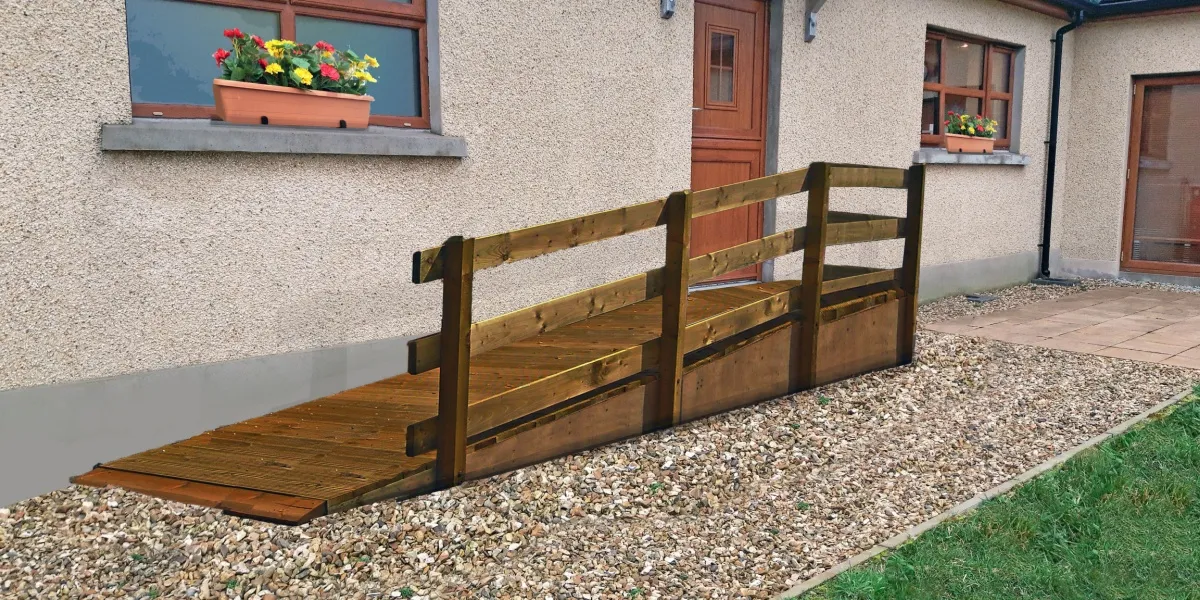
- A single-floor living arrangement where possible, moving a bedroom to the ground floor if stairs become a daily obstacle, rather than requiring every trip to the bedroom to involve navigating a full staircase
- Widened doorways at key pathways, particularly between the bedroom and bathroom, the route used most frequently and often at night when fall risk is highest
- A medical alert system, which doesn't prevent a fall but dramatically shortens the time between a fall happening and help arriving, which matters enormously for outcomes when something does go wrong
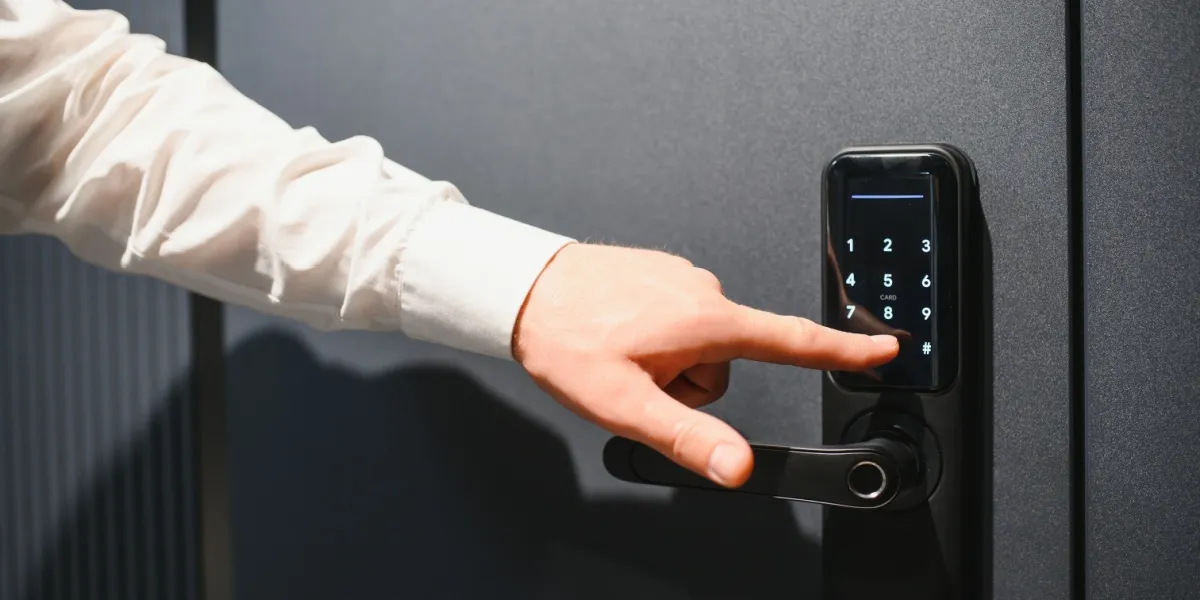
Technology has expanded what's realistically possible here beyond just physical modifications. Voice-activated assistants can control lighting, thermostats, and even door locks without requiring someone to physically reach a switch or panel, useful for anyone with limited mobility or reach. Video doorbells let someone confirm who's at the door and even communicate with them without needing to physically walk to the door and open it, which matters both for convenience and for avoiding unnecessary trips that create fall risk.
Kitchen adjustments are worth including in this conversation even though they get less attention than bathrooms and stairs. Pull-out shelves and lazy susans reduce the need to bend, reach, or climb on a step stool to access cabinet storage. Lowering at least some upper cabinet storage, or reorganizing so frequently used items sit at an accessible height, removes a daily point of friction that adds up over time even when it never causes a single dramatic incident.
None of these individually solves independence on their own, and that's genuinely the point worth understanding. It's the combination, better lighting plus a safer bathroom plus fewer physical obstacles plus a way to get help quickly if something does go wrong, that actually adds up to meaningfully longer independent living, rather than any single upgrade being the complete answer by itself.
A practical way to prioritize if budget or timing means you can't do everything at once: start with whichever specific room or pathway has already caused a near-miss or a genuine concern, rather than working through a generic checklist in order, since the highest-risk spot in any particular home is often specific to that household's actual daily patterns.
Revisit this list periodically rather than treating it as a one-time project completed and forgotten. Needs change gradually, and a home that worked perfectly well two years ago can develop new friction points as circumstances shift, a knee that's gotten harder to bend, a shoulder with less reach than it used to have. Checking in every so often, rather than waiting for a specific incident to prompt a reassessment, keeps the home adapting alongside the person living in it instead of playing catch-up after something's already gone wrong. That ongoing attention, more than any single upgrade, is what actually keeps a home working well for someone over the full length of their time living in it.