What a Home EV Charger Really Costs Right Now
Search "EV charger installation cost" and you'll find numbers ranging from under $500 to over $10,000, which is technically all correct and completely unhelpful without knowing which scenario applies to your specific home. Here's what actually drives that number, plus an update worth knowing if you've been waiting on a tax credit that no longer exists.
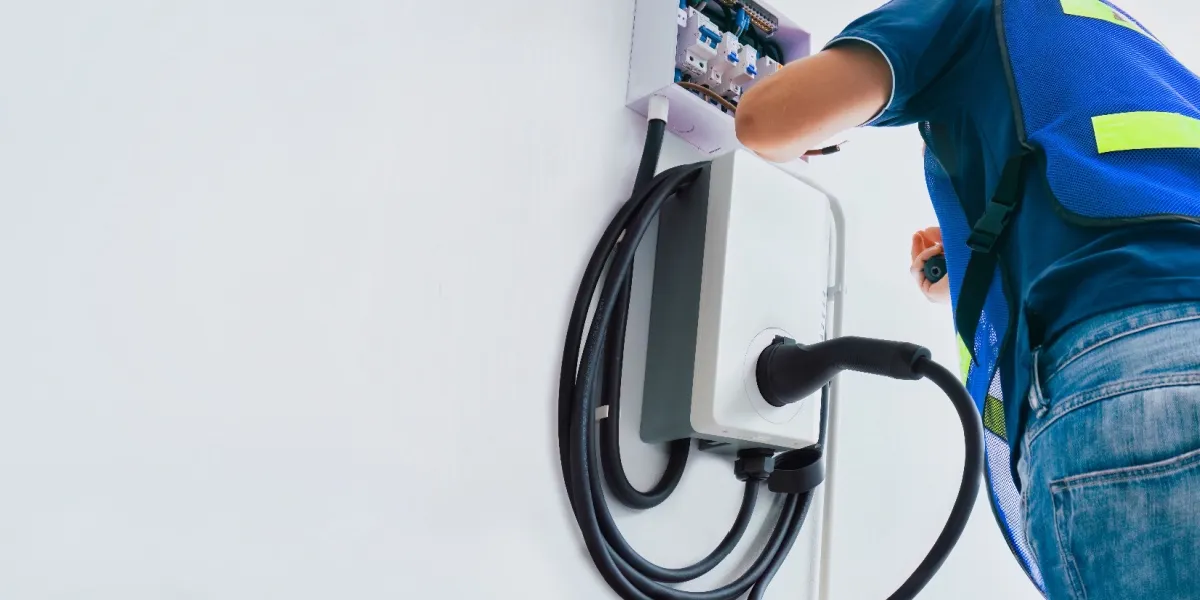
For a straightforward installation, an existing panel with room to spare, a short distance from the panel to where the charger goes, most homeowners land in the $1,000 to $2,500 range all-in, equipment, labor, and permit included. The charger unit itself is a modest piece of that total, typically $300 to $900 depending on brand and amperage. Labor for a simple plug-in setup using an existing 240-volt outlet can come in under $700 total. A hardwired installation, generally the safer and increasingly the more common choice, runs somewhat more due to the additional labor and code requirements involved.
The costs that push a quote well beyond that baseline range come from three specific complications:
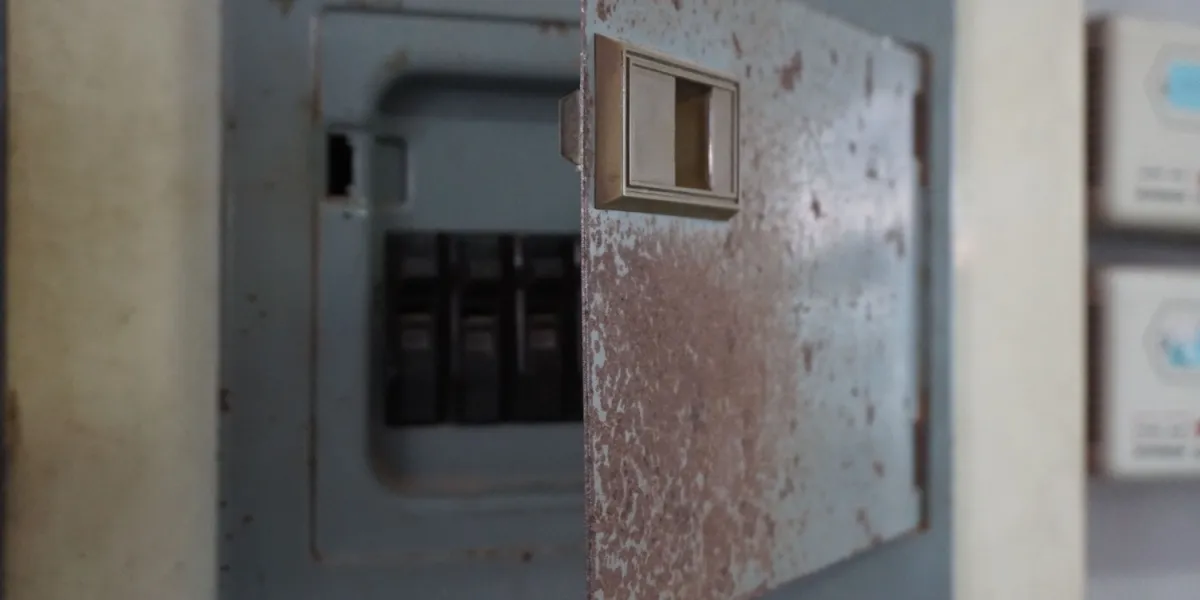
- A panel upgrade, if your existing electrical panel doesn't have room for the new 40-to-60-amp circuit, upgrading from 100-amp to 200-amp service adds $1,500 to $3,500, and a brand-new panel adds $3,000 to $5,000
- Distance and trenching, every 25 feet of conduit run adds $150 to $400, and running power to a detached garage specifically can push a project into the $3,000 to $8,000 range once trenching is involved
- A load management device as an alternative to a full panel upgrade, running $300 to $500, sometimes avoiding a $1,500-plus panel replacement entirely if your capacity shortfall is modest
Regional labor rates matter more here than in a lot of home improvement categories, since electrical work specifically is priced differently by market. California and New York electricians commonly charge 30% to 45% more than the national average, while several Southern states run 8% to 12% below it.
Here's the update that matters if you've been holding off specifically to claim a tax credit: the federal 30% credit for EV charger installation, formally the Section 30C Alternative Fuel Vehicle Refueling Property Credit, expired for any installation placed in service after June 30, 2026. That deadline moved up significantly from what earlier legislation had planned, the One Big Beautiful Bill Act shortened the credit's original run considerably. If your charger wasn't installed and operational by that date, this specific credit is no longer available, and there's no indication as of this writing that it will return.
What's still genuinely available: utility rebates. A number of electric utilities continue offering their own incentives for home EV charger installation, commonly $250 to $500, entirely separate from the now-expired federal credit and unaffected by that change. These vary significantly by utility and by state, so it's worth checking directly with your specific electric provider before assuming no incentive exists at all.
A practical way to shop this project: get quotes from at least two licensed electricians, and ask each one specifically whether a panel upgrade is actually necessary for your home or whether a load management device could avoid it. That single question, more than almost anything else, determines whether your project lands at the low end of the range or several thousand dollars higher.
If you're comparing quotes and one comes in noticeably lower than the others, ask specifically whether it includes the permit and inspection fee, since some electricians quote the installation labor alone and treat permitting as a separate line item added afterward. A quote that looks like the best deal on paper can end up costing the same as a competitor's all-in number once that piece gets added back in, so it's worth clarifying upfront rather than being surprised on the final invoice.
It's also worth asking whether the electrician has specific experience with EV charger installations rather than general residential wiring alone. The continuous high-amperage load an EV charger draws for hours at a time is different from most household circuits, and an installer familiar with the specific requirements, proper wire gauge, breaker sizing, and code compliance for that continuous load, is less likely to leave you with a setup that trips breakers or degrades over time under regular daily use. That specific experience is worth asking about directly, even if it adds a few extra minutes to each initial phone call with the electricians you're considering for the job. A few extra minutes upfront is a small price for avoiding a callback down the road.