What a Bathroom Remodel Actually Costs in 2026
The range you'll find searching "bathroom remodel cost" is almost comically wide, anywhere from under $2,000 to over $80,000, which tells you almost nothing until it's broken down by what you're actually changing. Here's the real breakdown by project type and scope.
A cosmetic refresh, new paint, updated fixtures, a new vanity without touching plumbing, generally runs under $5,000 to $6,000 and is technically a renovation rather than a full remodel, since it doesn't change the layout or structure. A powder room or half-bath remodel, smaller by definition since there's no shower or tub involved, typically runs $2,000 to $6,000. A full guest bathroom, moderate size with a standard shower or tub, single vanity, and mid-range finishes, runs $6,000 to $14,000 in most markets, sometimes reaching $22,000 to $35,000 for a high-end version.
Primary or master bathrooms cost meaningfully more, since they're typically larger and more likely to include upgrades like double vanities, larger walk-in showers, and premium finishes. A full master bath remodel runs $8,000 to $30,000, occasionally more for extensive layout changes or luxury customization.
The single biggest line item within any bathroom budget is almost always the shower or tub area, and the spread here is dramatic depending on what you choose:
- A basic prefab tub-shower combo: $1,500 to $4,000 installed
- A fully tiled walk-in shower with a frameless glass door: $8,000 to $20,000
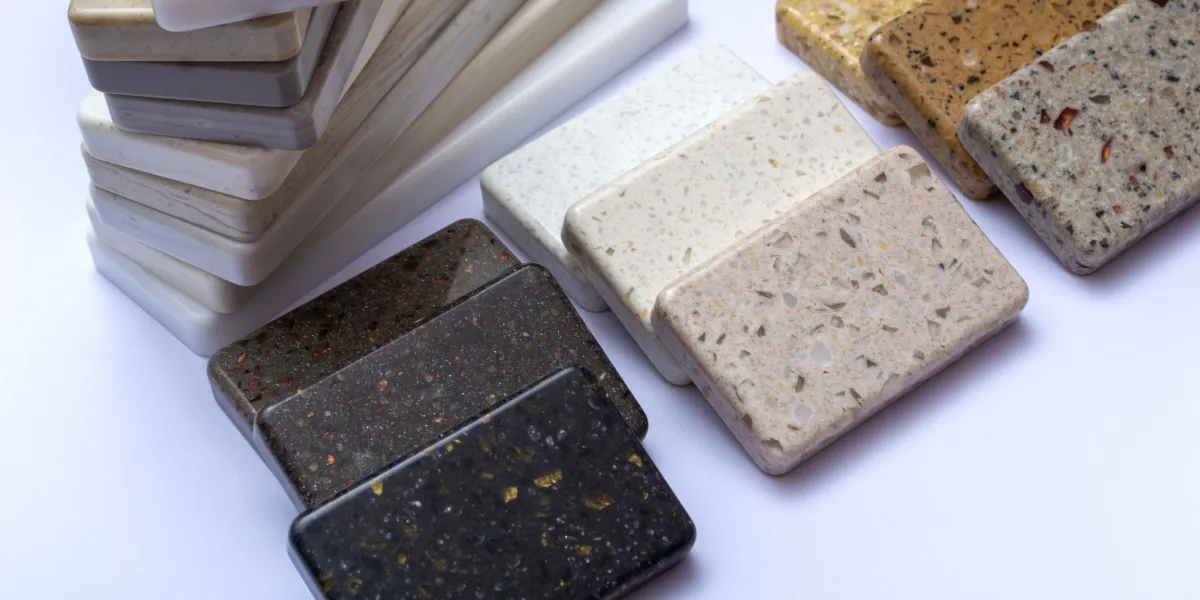
That gap, sometimes $15,000 or more on the exact same footprint, is frequently the entire difference between a $12,000 remodel and a $30,000 one. Tile choice alone explains a meaningful chunk of it: standard ceramic tile runs $1 to $3 per square foot, while large-format porcelain or natural stone runs $8 to $25 per square foot, a difference that sounds modest per square foot but compounds fast across an entire shower surround.
Labor rates have moved up enough that older cost estimates circulating online are worth double-checking. Tile setters now commonly charge $75 to $150 an hour in most markets, and plumbers run $100 to $200 an hour, both considerably higher than the $50 to $75 figures that still show up in outdated guides. When a job involves tearing out a shower surround, waterproofing a wet area properly, and setting large-format tile, that's genuinely skilled labor, and it prices accordingly.
Return on investment varies more by bathroom type than most homeowners expect. Half-bath and powder room remodels return the highest percentage of their cost at resale, commonly 75% to 85%, largely because they have the broadest buyer appeal and the lowest total spend. Full primary or master bathroom remodels return a lower percentage, typically 55% to 65%, since luxury finishes appeal to a narrower slice of buyers and cost considerably more to begin with. This doesn't mean master bath remodels aren't worth doing, it just means the financial case is about daily enjoyment of the space more than pure resale math.
One detail worth budgeting for that catches people off guard mid-project: if your floor feels bouncy, or you notice dark staining near the toilet or shower, that's often a sign of subfloor damage that needs to be addressed before any new tile goes down. Tiling over a compromised subfloor is a mistake regardless of how much the tile itself costs, since even premium tile will crack once the structure underneath continues shifting or rotting.
A practical way to keep your project within budget: decide upfront whether you're changing the layout at all. Keeping the existing footprint, same location for the toilet, sink, and shower, avoids the plumbing relocation costs that drive a lot of remodels well past their original estimate, and can save $3,000 to $10,000 on its own compared to a full layout change.
Get at least two or three quotes broken out by category, plumbing, tile, electrical, general labor, rather than a single lump-sum bid, since that breakdown is what actually lets you compare bids fairly and identify where you might trim scope if the total comes in higher than expected. A contractor unwilling to itemize a quote at this level of detail is worth a second opinion before you commit. That itemized detail is also what protects you if a change order comes up mid-project, since you'll already know which category the extra cost is coming from, and whether it seems reasonable for the work actually being done. That level of visibility is worth insisting on before signing anything, since change orders are exactly where a lot of bathroom remodels quietly drift well past their original number.