
What Charging an EV at Home Actually Involves
Bringing home an EV for the first time raises a question a lot of new owners don't think through until the car's already in the driveway: what does charging it at home actually require. The honest answer is that it depends entirely on which of two very different charging speeds you're planning around.
Level 1 charging uses a standard 120-volt household outlet, the same kind everything else in your home plugs into, and requires no installation at all beyond the cable that comes with the car. The tradeoff is speed: Level 1 adds roughly 3 to 5 miles of range per hour of charging, meaning a full overnight charge might only replace what you drove that day, not necessarily fill the battery from empty. For someone with a short commute and access to overnight charging every single night, this can genuinely be enough, no installation cost, no electrician, just plug in and go.
Level 2 charging is what most EV owners actually end up installing, and it's a meaningfully different setup. It requires a dedicated 240-volt circuit, the same voltage as an electric dryer or oven, rated at 40 to 60 amps depending on the charger. This adds roughly 20 to 40 miles of range per hour, enough to fully charge most EV batteries overnight regardless of how depleted they were.
Getting Level 2 installed involves a few real decisions:
- Plug-in versus hardwired. A plug-in setup uses a NEMA 14-50 outlet, similar to what an RV or a large dryer might use, and lets you unplug the charger if you ever move it. Hardwired installation connects the charger directly to your electrical system with no outlet in between, generally considered safer for continuous high-amperage use and often the cleaner long-term choice, though it's slightly more expensive to install and less portable.
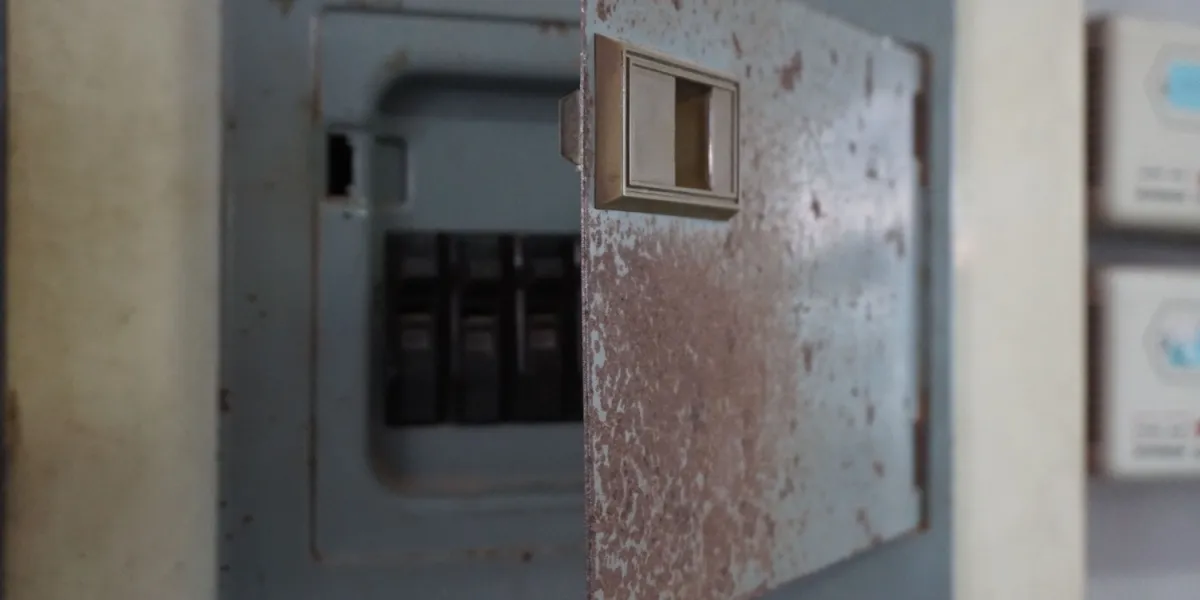
- Panel capacity. Your existing electrical panel needs enough spare capacity to add a 40-to-60-amp circuit without exceeding its total rated load. Many homes have room, older homes or homes with a lot of existing high-draw appliances sometimes don't, which means a panel upgrade becomes part of the project.
- Distance from the panel to the charging location. A charger installed right next to your electrical panel is straightforward. One in a detached garage, or anywhere requiring a long conduit run or trenching, adds meaningfully to both labor and materials.
A load management device is worth knowing about if your panel is tight on capacity but not tight enough to justify a full upgrade. This device intelligently shares power between your EV charger and other high-draw circuits, preventing overload without the cost of a full panel replacement, often a smart middle option between doing nothing and a $1,500 to $3,500 panel upgrade.
Building code has shifted recently in a way that affects the plug-in-versus-hardwired decision. Current electrical code requires a GFCI (ground-fault circuit interrupter) breaker on NEMA 14-50 outlets specifically, which adds a modest cost to a plug-in setup and has made hardwiring the comparatively simpler, cleaner choice for a growing number of installers, since it avoids that specific requirement altogether.
A few questions worth asking any electrician quoting this job: whether your panel has available capacity without an upgrade, whether a load management device could avoid the need for a full panel replacement if capacity is tight, and whether they recommend hardwired or plug-in for your specific charger model and daily driving needs. The answers to these three questions, more than the brand of charger you choose, are what actually determine your total installed cost.
If more than one vehicle in your household is likely to go electric eventually, it's worth mentioning that to your electrician during this first installation rather than treating each future charger as its own separate project. Running conduit or pre-wiring for a second charging location while the panel is already open, and while an electrician is already on-site, is almost always cheaper than paying for a second full mobilization and permit process a few years down the road. It's a small planning step now that can meaningfully reduce the total cost of adding a second charger later, once a second EV actually arrives in the driveway.
One more thing worth confirming before the work begins: whether your homeowners insurance requires notification of the new circuit or charging equipment. Most policies don't require it for a standard EV charger installation, but it's a quick call to make, and it's a better conversation to have proactively than to have it come up unexpectedly during a claim years later.